
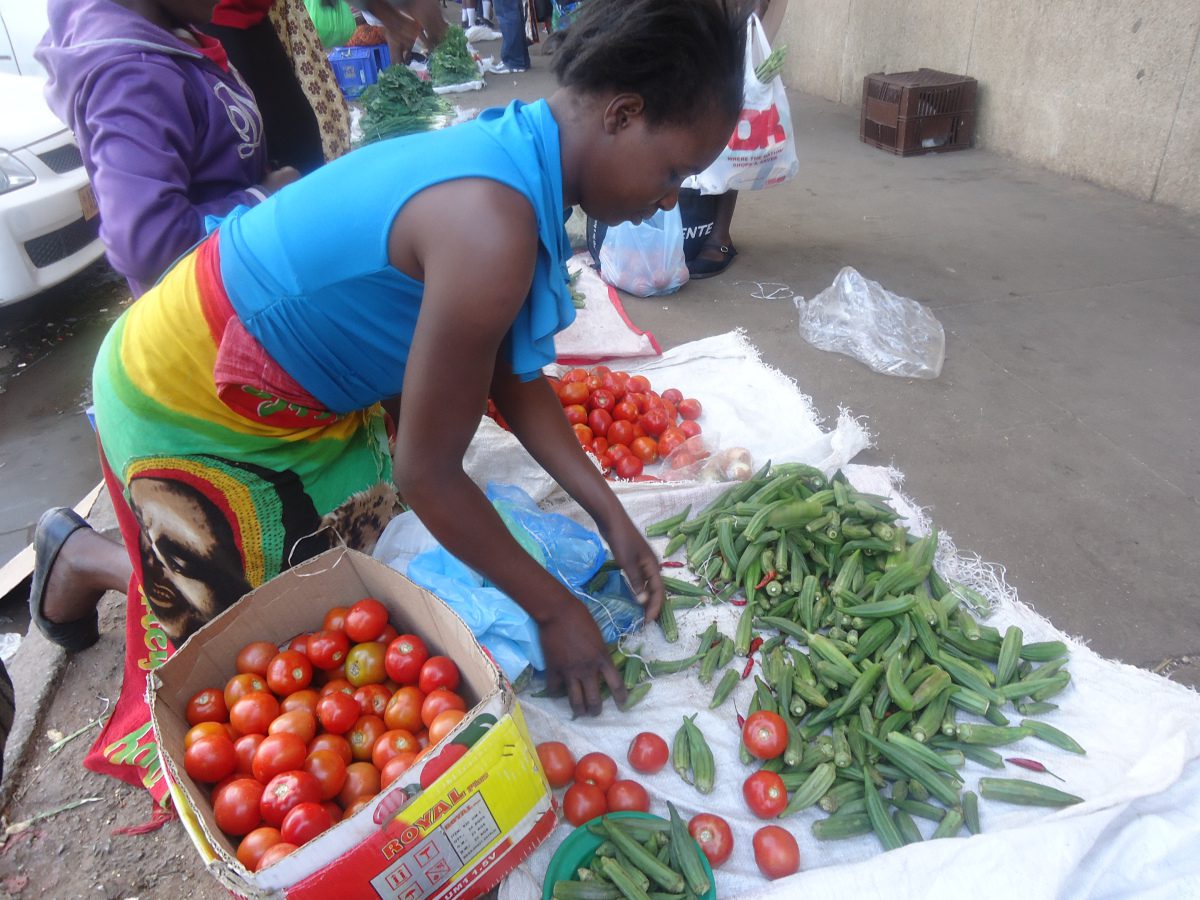
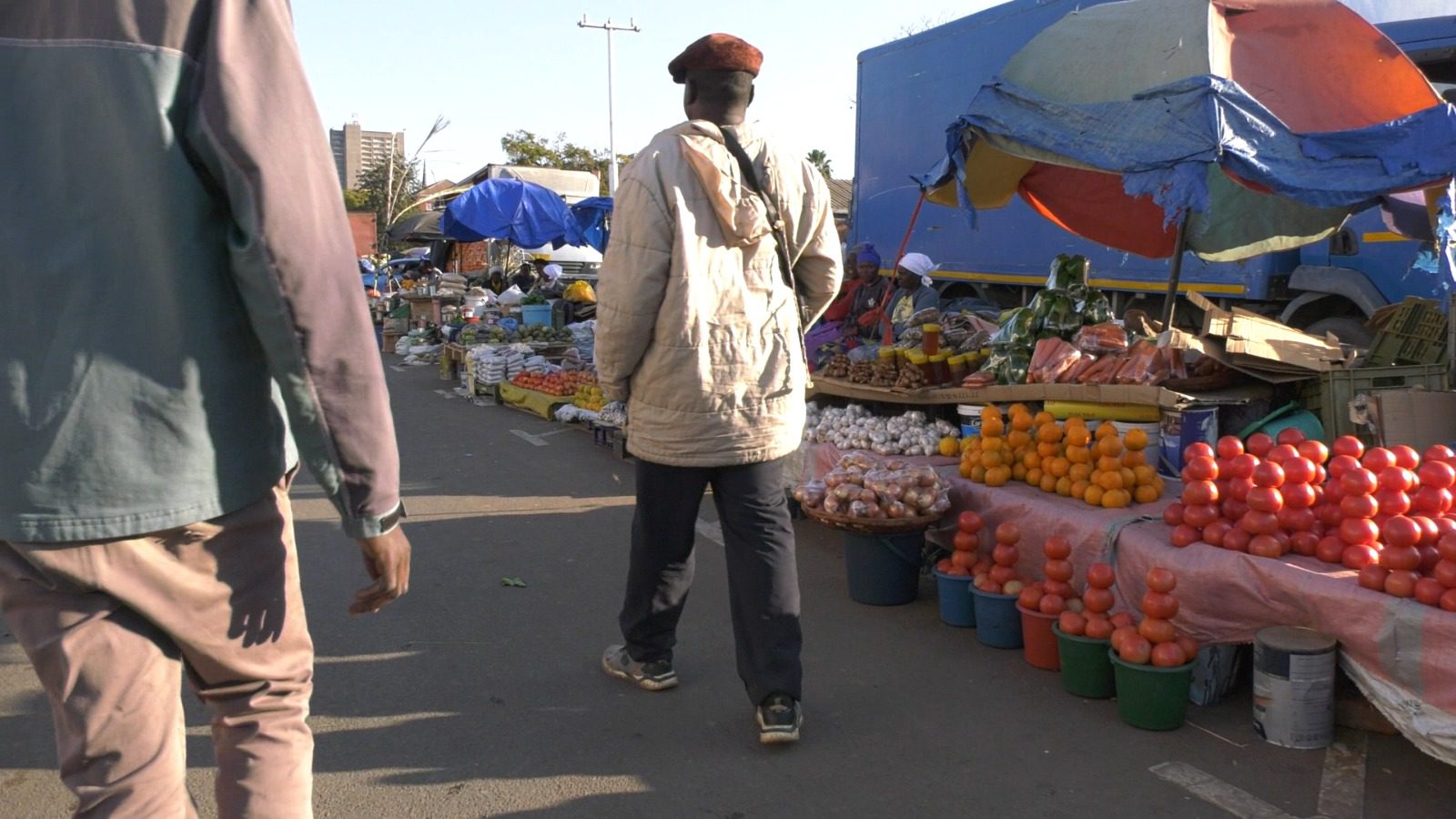
Bulawayo’s informal traders have submitted proposals to the City Council calling for major reforms in the upcoming 2026 budget to support growth, formalisation, and improved service delivery in the informal economy.
Their demands come as the city proposes a $224.7 million “standstill budget” that aims to maintain current rates and tariffs.
The budget proposal by the local authority allocates US$157.4 million for recurrent expenditure and US$67.2 million for capital projects. Water and sanitation alone are to receive US$70.3 million, reflecting pressing infrastructure needs.
Speaking through associations such as the Apex Board for MSMEs, BVTA, and VISET, informal traders have urged inclusion in the budget process, asking for support measures such as a one-stop shop for business registration, e-licensing, online payments, and incentives for traders who comply with licensing and payment obligations. They say these steps will reduce red tape and curb corruption.
On this topic
“We call upon the city to create a single, accessible one stop shop facility where informal traders can register their businesses, obtain permits, and access relevant information in a transparent and affordable way,” their submission reads.
They are also asking for tax and licensing incentives: rebates, staggered payment plans or reduced penalties for those who continuously meet obligations. A simpler, fair taxation regime is central to their demands.
“We recommend rebates, staggered license payment plans or reduced penalties for traders who consistently meet their obligations,” the informal traders said.
Aside from formalisation measures, their proposals cover service and infrastructure improvements: better health access, more investment in water, sanitation and hygiene (WASH) infrastructure at trading sites, upgraded market facilities, and ring-fencing of revenues from informal sector levies so collected funds are reinvested locally.
“The City should allocate more funds towards clinics and primary health facilities to ensure that vulnerable groups, including informal traders, can access affordable care,” the statement adds.
Traders’ leaders say the current budget does not adequately reflect the needs of the informal economy, which contributes significantly to livelihoods but often lacks formal support.
Support CITE’s fearless, independent journalism. Your donation helps us amplify community voices, fight misinformation, and hold power to account. Help keep the truth alive. Donate today




Leave a Reply