

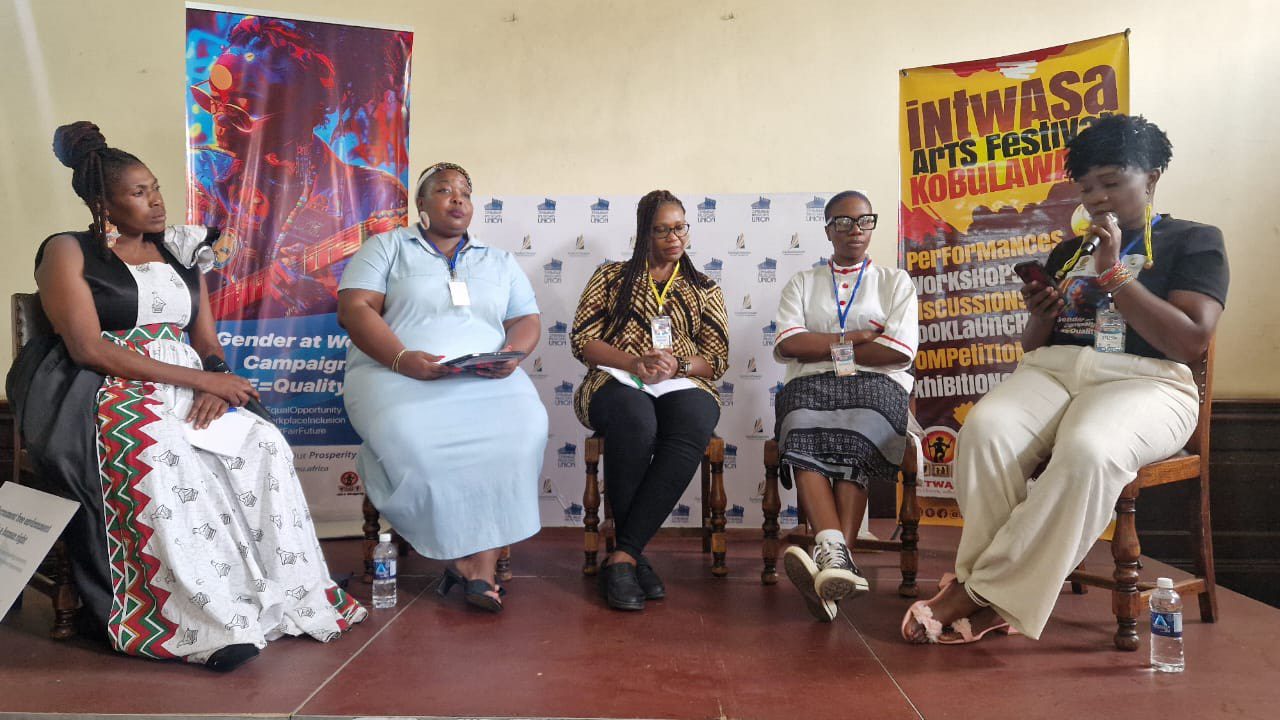
Calls are growing within Zimbabwe’s creative sector for a formal gender policy to address entrenched inequalities, exploitation and abuse that continue to marginalise women and minority groups.
The demands came during the Gender at Work Conference held in Bulawayo on Thursday, a collaborative effort between the Intwasa Arts Festival and the Zimbabwe Musicians Union (ZIMU).
The conference, which ran alongside Intwasa’s weeklong arts programme, brought together musicians, scholars and cultural practitioners for panel discussions and networking sessions aimed at charting a path towards inclusivity.
At the centre of the conversations was how Zimbabwe’s creative industries, particularly the music sector, remain largely unregulated, with no unified codes of conduct, grievance mechanisms, or institutional accountability.
On this topic
This vacuum, participants said, has left survivors of harassment and exploitation vulnerable, while perpetrators often go unpunished.
A panel on ‘Women in the Arts’ featuring singer Rutendo Mbangwa, musician – Noluntu J, veteran performer Florence Nyamazana and actress Angeline Domingo exposed how gender inequality in music is not only persistent but systemic.
The participants concurred how “women are often stereotyped as less talented or capable than men, which leads to discrimination, that is denied opportunities to perform, record, or lead bands.
The panelists highlighted several barriers: pay disparities, limited access to performance slots, and underrepresentation in leadership roles.
Domingo stressed that women in the industry frequently “earn less for the same work” and are sidelined in decision-making processes that shape the industry.
The female artists said the industry must actively work toward closing the gender pay gap, making sure women access equal promotional opportunities, streaming royalties and media coverage.
Backing up these testimonies, ZIMU presented findings from a long-term study of music trends, radio airplay, and live performance line-ups.
The data revealed staggering levels of gender disparity where from 1994 to 2021, every annual number-one hit on Radio Zimbabwe was by a male artist.
Weekly top music charts consistently exclude women, except in gospel categories where female artists achieve near-equal representation. Less than 20 percent of live performance line-ups feature women, both locally and in Zimbabwean shows abroad.
On YouTube and other digital platforms, only one or two women trend at a time, dwarfed by their male counterparts.
A separate discussion on Academia and Research – Knowledge, Curriculum and Cultural Shifts featured musician and University of Zimbabwe music lecturer Tina Watyoka and producer and director Rumbi Katedza, moderated by a lecturer from Midlands State University, Dr Richard Muranda.
The panel explored the role of education in breaking down gender barriers.
“Curriculum reform in arts education is crucial,” said Watyoka.
“We need to empower future generations with inclusive knowledge systems that dismantle gendered labour divisions in the arts.”
Katedza added that academia must partner with cultural institutions to drive social change, making sure research informs policies that tackle discrimination in practical ways.
The conference also shed light on systemic issues that go beyond representation. Female artists reported experiences of sexual harassment in workplaces such as nightclubs and bars, leading many to shift to gospel music, which is perceived as a safer space.
“The culture of silence, lack of professionalism, and absence of sexual harassment policies have left women exposed,” noted attendees.
Unequal pay and fewer show opportunities worsen the problem, while ‘many’ women are excluded from managerial or bandleader positions, with non-standardised wages and lack of gender-friendly infrastructure perpetuating disparities.
“Most female musicians in secular genres are seen as sex objects,” one participant said bluntly, underscoring the depth of the problem.
Speakers stressed that introducing a gender policy for the arts is not merely symbolic but a practical necessity.
Such a policy would establish sector-wide standards for gender equity, create clear reporting and redress mechanisms for gender-based violence, and promote safer, more inclusive programming.
“This should align with national legislations including Section 17 of the Constitution (gender balance), Labour Amendment Act (workpace sexual harassment), Data Protection Act (digital safety and privacy) and National Gender Policy 2025,” explained ZIMU.
ZIMU also recommended that there should be a a sexual harassment policy specific to the music industry, implement fair pay practices and standardised wages for artists, invest in capacity building for women in creative leadership and challenge stereotypes through music narratives that disrupt harmful gender norms.
Intwasa Arts Festival director Raisedon Baya, said the conference marked an important step in pushing for reform.
“The creative sector thrives on diversity, but that diversity cannot be realised without inclusivity and safety,” he said
The artists, academics and unions agreed that without deliberate interventions, gender inequalities in the arts will persist, stifling the growth of one of Zimbabwe’s most dynamic industries.
Support CITE’s fearless, independent journalism. Your donation helps us amplify community voices, fight misinformation, and hold power to account. Help keep the truth alive. Donate today




Leave a Reply