
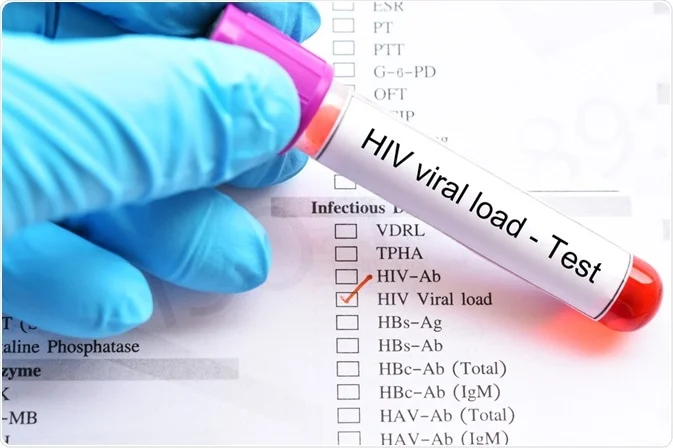
Children remain a weak link in the fight against HIV because they depend on caregivers to help them access treatment and medication, caregivers who may not yet be ready to disclose their status.
This situation is undermining Bulawayo Province’s efforts to reach the global 95‑95‑95 targets, health officials say.
The global 95‑95‑95 targets set by the Joint United Nations Programme on HIV and AIDS (UNAIDS) and the World Health Organisation (WHO) for achievement by 2030, aim to end AIDS as a public‑health threat.
This is done by making sure that among people living with HIV – 95 percent know their status, 95 percent of those diagnosed are on continuous antiretroviral therapy and 95 percent of those on treatment achieve viral suppression.
On this topic
Read https://cite.org.zw/bulawayos-silent-crisis-patients-defaulting-on-hiv-and-tb-treatment/ how fear of judgment and discrimination prompts many to conceal their status, skip appointments, ultimately defaulting on therapy in Bulawayo.
According to the National AIDS Council (NAC), while most children living with HIV in the city now know their status and are receiving treatment, viral suppression continues to lag behind.
NAC Bulawayo Monitoring and Evaluation Officer, Primrose Dube, said according to the 2025 HIV Estimates Report for Bulawayo Metropolitan, knowledge of HIV status among children has risen to 91 percent from 63.7 percent in 2020, but the province still falls short of the 95 percent target expected by year-end.
“There still remains a challenge for the children population, where knowledge of status is standing at 91 percent and remember we are chasing the 95-95-95 treatment targets that we want to reach by the end of this year,” said Dube.
“In terms of treatment, 97 percent of those children with a known HIV status have been initiated on ART, basically showing that we are on track towards achieving the second 95. But for the third 95 on viral suppression, we are still facing challenges as a province when it comes to children, where only 90 percent of those children that have been initiated on ART have a viral load that is suppressed. So this means the performance highlights the need for us to enhance pediatric HIV services as well as adherence support among the children.”
Dube noted that overall, Bulawayo has made impressive progress in testing and awareness campaigns, with knowledge of HIV status standing at 99 percent among the general population. However, she cautioned that near-universal testing must be matched with proper follow-up for children.
“We need to understand that near universal knowledge enables us to prompt treatment initiation and reduce the transmission risk. So we need to make sure that we continue teaching people and making sure they are accessing testing services so that they know their HIV status,” she said.
Health experts say one of the biggest challenges for children is that their treatment largely depends on caregivers.
Dr Nkazimulo Tshuma, medical director at Mpilo Hospital’s Centre of Excellence, said poor disclosure and changes in caregivers often lead to treatment gaps.
“With kids, the challenge for a child to take medicines is caregiver dependent. Sometimes mothers are so frustrated with the HIV diagnosis and are in denial, they don’t give it time, so we have such cases,” she said.
“Then we have challenges where we have a change of caregivers. For example, my child has been diagnosed with HIV but I work in South Africa. When I leave, I don’t disclose properly to the new caregiver. As a result, they think it’s just a short course, especially grandmothers. When that medicine finishes, that’s it, they are not aware of the child’s HIV status. So a change of caregivers is another challenge.”
Dr Tshuma added that in some households, parents working long hours fail to disclose to domestic workers or guardians caring for the child.
This often leaves children to manage their own medication, which can be overwhelming.
“The children remain responsible for their own medicines, which is too much of a burden. They play, they forget to take medicines. It’s about caregivers not being there or monitoring treatment,” she said.
Dube concurred, adding that children’s knowledge of their HIV status is often directly tied to the attitudes and decisions of caregivers.
“Some caregivers or mothers will be knowing their HIV status but not have taken the child for testing. The child’s status remains unknown because the caregiver would not have taken them for testing,” she said.
Targeted interventions such as better caregiver support, stronger school-based awareness, and stigma reduction are crucial if children are to be brought to the same level of care as adults.
“The performance highlights the need for us to enhance pediatric HIV services as well as adherence support among the children,” Dube said.
Beyond logistical challenges, stigma remains a major barrier for guardians and children alike.
NAC Bulawayo Acting Programmes Manager, Douglas Moyo, said stigma and discrimination often weigh heavily on caregivers, limiting their ability to support children effectively.
“The challenge is when they come out, they don’t really come out straight. These issues bordering on stigma and discrimination come as the burden of the HIV status the guardian is facing,” Moyo said.
“It’s not that they are doing it deliberately so that the child would get infected by opportunistic infections and die, it’s bordering on human rights issues. The guardian hasn’t dealt with their HIV status themselves. If they acknowledge that the child is HIV-positive, they are disclosing their own HIV status. There are a lot of other issues. It’s not deliberate, but there’s more to it.”
In an interview, community health mobilisers working on the ground say children and adolescents often carry the psychological burden of treatment.
Mthabisi Katlego Nkala, from Cowdray Park, said young people struggle to understand why they must take medication daily and face stigma both at home and at school.
“Young people often struggle with pill burden. From childhood, some don’t fully understand why they have to take medication every day or why it’s important to suppress the virus. Sometimes this is because the information is not reinforced at home as strongly as it is at the health centre, it may even be due to negligence by parents or guardians,” Nkala said.
“The stigma of HIV is still very present. Many children feel discouraged, worrying that they won’t live long. In boarding school setups, they fear their friends or even teachers might find out and make fun of them. This brings up serious issues of confidentiality.”
Nkala called for schools to play a more proactive role in supporting learners living with HIV.
“Teachers and headmasters must be sensitised. Just as some primary schools cater for children with special needs, they must also create an ideal environment for adolescents living with HIV,” he said.
Nkala added that young people need encouragement to stay strong and focus on their goals.
“Your health should never be compromised… No one in Zimbabwe should be ashamed of being HIV-positive, HIV is manageable.”
Support CITE’s fearless, independent journalism. Your donation helps us amplify community voices, fight misinformation, and hold power to account. Help keep the truth alive. Donate today



Leave a Reply