

By Masiyephambili Weekly
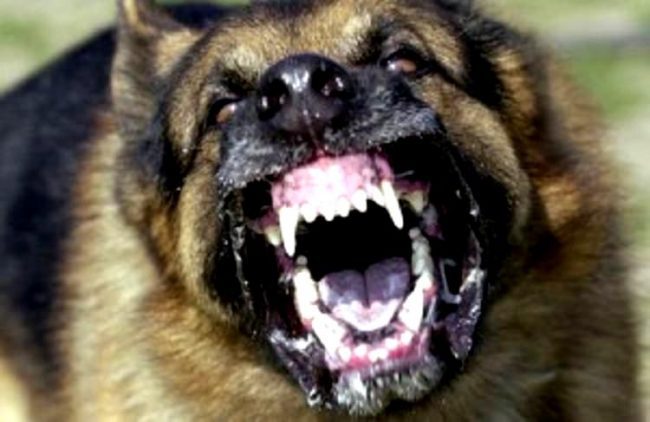
The City of Bulawayo is drafting a policy that will stop the breeding of vicious dogs, as they have been responsible for fatal attacks and, in many cases, are not properly secured.
The drafting of the policy to address the breeding of dangerous dogs is part of Council’s proactive approach to residents’ concerns that such dogs pose a threat to public safety. The new policy would bar the breeding of pit bulls, among other dangerous breeds.
This comes as the City has recorded 425 dog bites from January to the end of July this year and has also recorded cases of rabies, leading to one death. In Bulawayo and other parts of the country, there have been reports of vicious dogs attacking and, in some instances, killing people.
On this topic
According to the September Council Agenda, the Health, Housing and Education Committee discussed the issue of vicious dogs, and it was highlighted that a draft policy on dog breeding was in progress.
“The Director of Health Services (Dr Edwin Mzingwane) in response, explained that the issue of vicious dog breeds would be addressed by a policy which was being drafted and was awaiting input from other stakeholders such as the Society for the Prevention of Cruelty to Animals (SPCA), Zimbabwe Republic Police, and the Veterinary Services,” read the Agenda.
As part of contingency measures to reduce dog bites, the City has been implementing a tie-up order to put down stray dogs. The Dog Tie-Up Order, which was carried out during the last week of July, saw 79 dogs being put down, and the operation will continue during the last quarter of the year.
Dr Mzingwane reported that, in western suburbs, residents are limited to keeping two dogs.
“It should be noted that only two dogs are allowed in high-density residential areas, while only four dogs are allowed in low-density areas. During the 10-day tieup order, 79 stray dogs were put down. Another tie-up order is on the cards soon after the review meeting,” read the report.
He said while Council is putting down stray dogs, the same would not apply to stray cats, as they play a key role in the City’s ecosystem.
Dr Mzingwane explained that cats are essential in controlling the rat population in the City.
“The reduction of cats should be balanced to avoid a scenario that took place in South Africa’s Alexandra area in the city of Johannesburg. All the cats were killed, and the rat population increased very fast, prompting authorities to bring in owls to control the rats. Cats were eliminated because of witchcraft beliefs. He assured residents that cats are less dangerous in the spread of rabies. Cats are needed in the ecosystem to control rats, which bring about serious disease outbreaks,” read the report.
According to the report, Dr Mzingwane stated that to manage the cat population, the SPCA from time to time moves around residential areas and the CBD, trapping, catching, and sterilising cats.
According to the Agenda, the Town Clerk Mr Christopher Dube stated that the breeding of vicious dogs was a serious concern, even for the police, as their population was increasing.
He also called on residents to cooperate with the Dog Tie-Up Order. “Some of these dogs are not properly kept, leading to attacks on humans. This has resulted in loss of life. A policy is needed. There is a section of residents who feel that the tie-up order is cruel to dogs,” said Mr Dube.
“The Town Clerk explained that residents intending to keep dogs should do so in line with the City’s Dog Control By-Laws. Not providing for your dogs is cruelty to animals. He called on all stakeholders to be involved in the tie-up order campaign,” read the report. Meanwhile, the City of Bulawayo in partnership with the Department of Veterinary Services will run a month long rabies vaccination programme from 15 of September to the 13 of October 2-25. In a public notice, the Town Clerk Mr Dube said mobile teams will be available for the vaccination programme.
“Dog owners are required by law to have their dogs vaccinated against rabies disease at the age of three months then re-vaccinated at the age of twelve months. There after dog owners are required to have their dogs vaccinated against rabies disease annually. A fine maybe imposed on dog owners who keep custody of unvaccinated dogs. Dogs in the following areas are to be vaccinated as shown below. A charge of US $1 will be collected per dog,” said Mr Dube.
Support CITE’s fearless, independent journalism. Your donation helps us amplify community voices, fight misinformation, and hold power to account. Help keep the truth alive. Donate today





Leave a Reply