
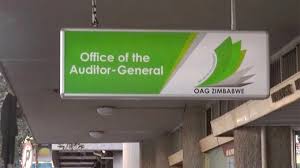
Zimbabwe’s public sector continues to be crippled by financial mismanagement and weak accountability despite repeated warnings from the Auditor-General’s office, governance experts have said.
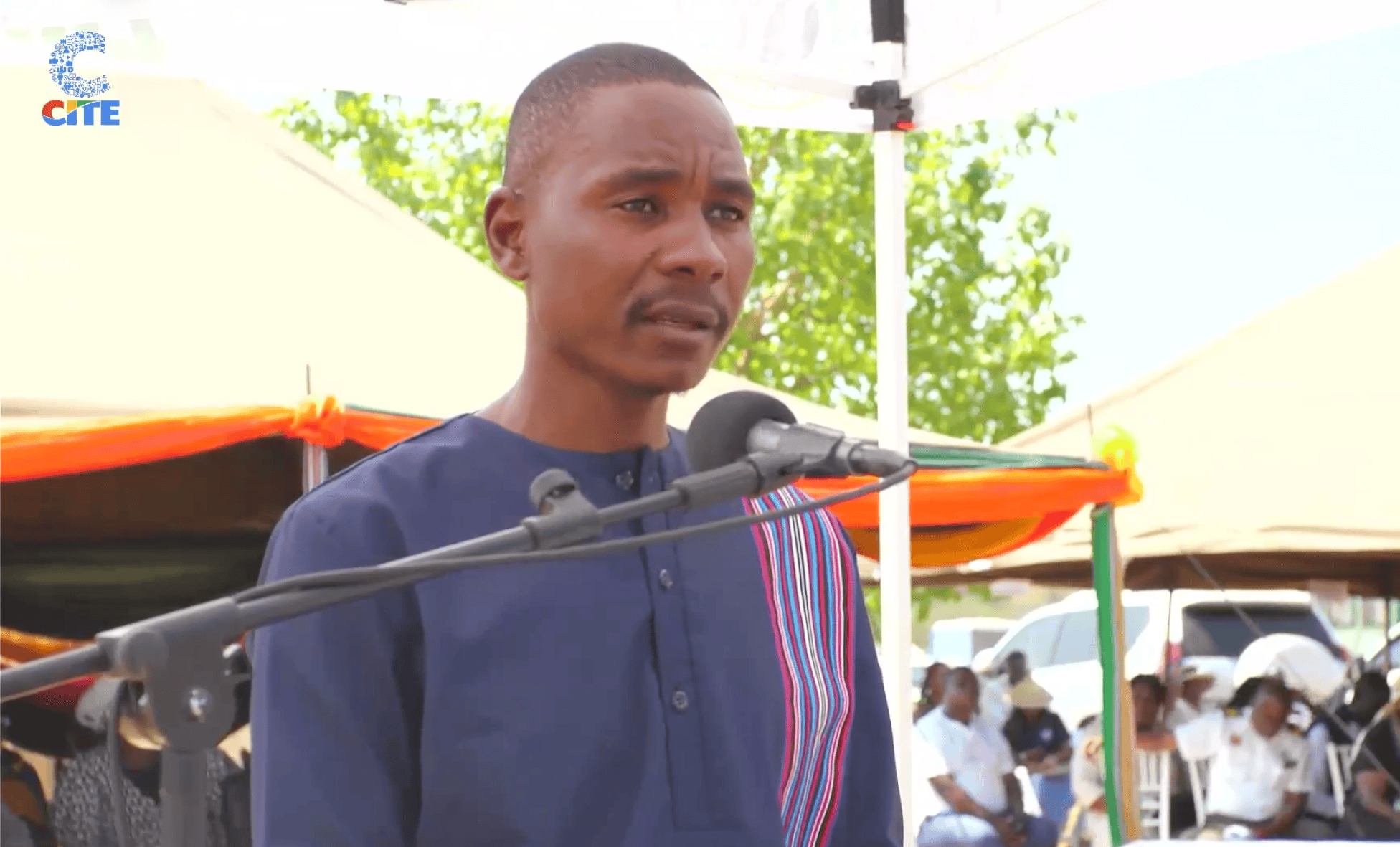
Speaking on This Morning on Asakhe, Transparency International Zimbabwe’s Tafadzwa Chikumbu and John Makoto from the Zimbabwe Coalition on Debt and Development (ZIMCODD) said a lack of enforcement has allowed serious irregularities to persist in government ministries, state-owned enterprises and local authorities.
Chikumbu outlined the constitutional role of the Auditor-General, established under section 309 of the Constitution, which audits the accounts of public institutions.
“Its role is to audit the books of accounts for public institutions, which include appropriation accounts, government ministries, local authorities, and state enterprises,” he said.
On this topic
Although the office is not an anti-corruption body, he stressed it is crucial in preventing and detecting graft by reviewing not only finances but also efficiency and effectiveness in the use of public resources.
Both experts, however, pointed to a critical accountability gap. Once the Auditor-General submits reports to Parliament, they are reviewed by the Public Accounts Committee before being referred to bodies such as the Zimbabwe Anti-Corruption Commission or law enforcement agencies.
“This process is a passing on of the baton, from the Auditor-General to Parliament and then to other institutions,” Chikumbu said, warning that little follow-up takes place.
Makoto said the system is hampered by weak enforcement powers and poor capacity in ministries. “Ministries are not compelled to implement these recommendations because the Auditor-General lacks the power to enforce them,” he said.
He added that outdated systems leave room for abuse. “You will be surprised to know that we still have local authorities in Zimbabwe that are operating manual financial systems,” he noted.
Makoto cited the 2024 Auditor-General’s report on local authorities as evidence of systemic rot. Out of more than 131 councils, only two received clean, unqualified audit opinions. Sixty-four were given qualified opinions, another 64 received adverse opinions, and four were issued disclaimers, indicating their financial statements were unreliable.
The backlog of unresolved findings is also extensive. “Out of the 639 audit issues flagged from 2019 to 2023, only 195 have been resolved, with 361 remaining unaddressed or only partially addressed,” Makoto said.
Chikumbu concluded that weak institutional coordination and limited accountability were fuelling the cycle of mismanagement. “This pattern of non-implementation has led to the recurrence of certain issues,” he said.
Support CITE’s fearless, independent journalism. Your donation helps us amplify community voices, fight misinformation, and hold power to account. Help keep the truth alive. Donate today




Leave a Reply