
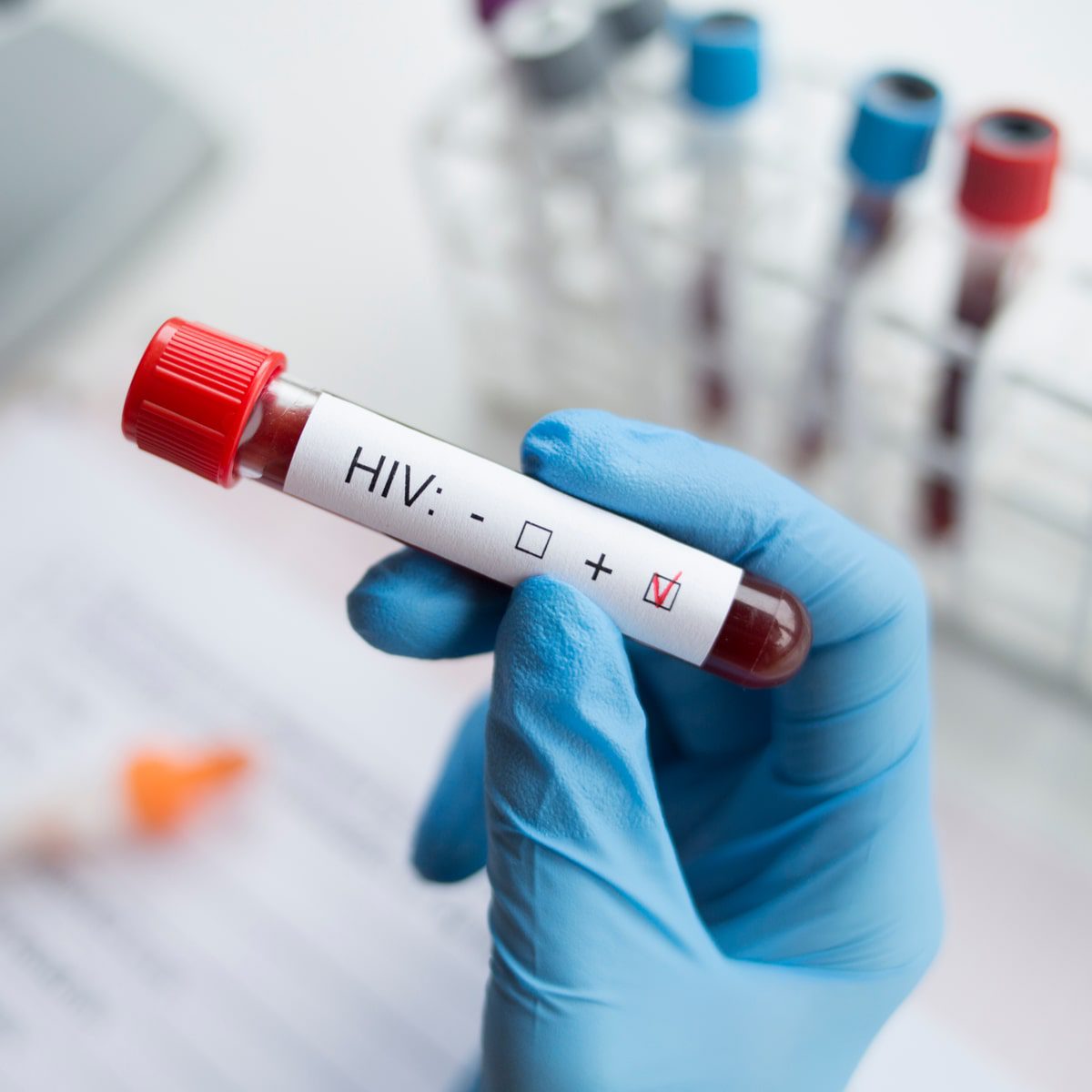
The abrupt suspension of foreign aid to health systems in low-and middle-income countries has been described as more than a funding crisis but a looming public health catastrophe, especially in the fight against HIV and AIDS.
Convener of African NGOs, David Barnard, warned that the sudden cutoff of funding would have devastating effects that African governments cannot quickly absorb.
“The biggest spotlight is on the health side, the funding that came via PepFAR for HIV/AIDS and ARVs. Those are life-and-death issues. If you take the flow of medication and support out of the equation, in a short period of time, the ability to cover and replace is almost impossible,” Barnard said on ‘This Morning Asakhe’ show hosted by CITE on its X platform.
“We know that many of our governments in Africa don’t have that ability to provide those services and therefore that is why the PepFar programme has been so instrumental in giving Africans access to life saving medication.”
On this topic
A modeling study published in The Lancet HIV projected that long-term reductions in donor support could result in 10.8 million additional HIV infections and 2.9 million deaths by 2030.
In Zimbabwe, the United States Agency for International Development (USAID) has been one of the largest health funders, channeling up to $360 million into health and agriculture programmes.
The support included assistance for 1.2 million people on antiretroviral therapy (ART), alongside testing and counselling services.
However that lifeline was abruptly cut when, on 21 January 2025, the US government announced a pause on all foreign assistance through USAID.
By 24 January 2025, grant holders were told to halt operations, forcing the layoff of thousands of HIV testing counsellors and clinic staff supported by USAID funding across the country.
Barnard noted that while private philanthropists like the Gates Foundation are stepping in, the shortfall will be overwhelming.
“We know that there are efforts being made through the Gates Foundation and other philanthropists upping their support to fill in the gaps in the short to medium term but there is a real need to start thinking about long term solutions,” Barnard said.
“Those solutions will have to come from within the continent with less opportunities from abroad. Beyond the US government funding cuts, we have seen a number of announcements and noises made by other bilateral funders with also intention to cut or reduce their funding commitments. If they haven’t done it already, they will likely do it in the near future.”
Accountability Lab Zimbabwe Programme Manager, Beloved Chiweshe, echoed the concerns, stressing that African governments must act.
“The capacity of governments to fill that hole is going to be difficult and the impact is going to be very big. The projections during the time of uncertainty of PepFar is that it will lead to about 10 million new infections and two million deaths. These are not small numbers that we are talking about,” Chiweshe said.
Chiweshe added that beyond HIV, many community health projects are now at risk.
“Beyond HIV, there are unsung heroes that have been doing great work which are going to go to waste. There are a lot of other actors who are not HIV that have been doing commendable interventions with the support of the foreign aid. USAID has been the poster of the cuts but there are other players that have already made some adjustments on this type of support,” he said



Leave a Reply