
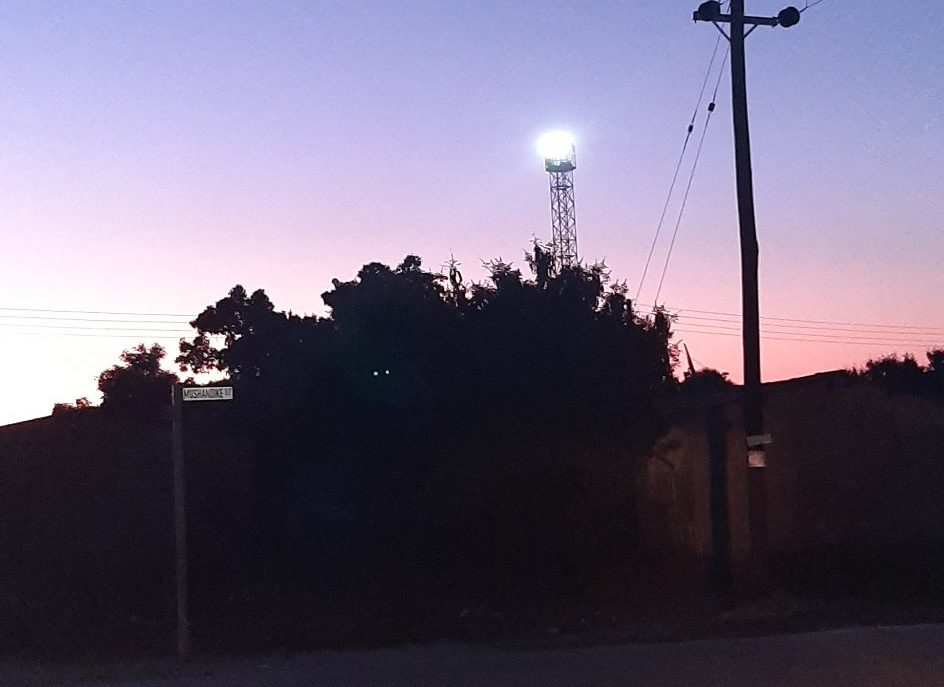
Residents of the Emakhandeni-Luveve constituency have called for improved street lighting to help curb rising crime in the area.
Speaking at the Inaugural Constituency Crime Indaba, community members said the lack of adequate lighting makes it easier for criminals to operate, while the long distances to police stations and delays in police response worsen the situation.
Community member Martin Nyoni said that although neighbourhood watch groups have been formed, poor lighting makes it difficult for them to operate effectively.
“We need more lighting in the area. Some places are too dark — at the ground, by the river near the school, and along the main road. These are hotspots, yet there is no lighting. We appeal to council to fix this,” Nyoni said.
On this topic
Elderly resident Albert Sibanda also raised concerns about policing arrangements, saying some parts of Emakhandeni fall under Entumbane Police Station, which is farther away than Luveve Police Station.
“Emakhandeni should not have been divided. People now have to walk long distances to report cases. If it was joined with Luveve, it would be nearer,” he said.
“We also need more patrols at entertainment venues. Many leisure centres have become crime hotspots, so stop-and-search operations are necessary.”
Another resident, who identified himself as Gatsheni, stressed the importance of proper vetting for neighbourhood watch members.
“In the past, volunteers were vetted to ensure they had no criminal records. Nowadays, this is no longer done thoroughly. We need this process revived, with regular training for honest, committed members,” he said.
Luveve Police Station’s Officer-in-Charge, Inspector Almos Musona, said thorough vetting was still possible but now requires payment.
“The process costs US$5 per person. If communities can raise the money, arrangements can be made,” he said, adding that residents should report all cases and escalate complaints to station commanders if necessary.
Ward 11 Councillor Susan Sithole said prepaid meters on tower lights were a major challenge.
“Most tower lights now use prepaid meters, and they switch off without warning when tokens run out. We are exploring solar power as a more reliable option,” she said.
Constituency MP Discent Bajila acknowledged the residents’ concerns, saying neighbourhood watch committees also needed resources to work effectively.
“They require bibs, torches, phones and handcuffs. Some areas already have these, donated by stakeholders. One community even saved residents’ details so they can send a ‘please call’ message during emergencies,” he said.
“The main challenge with lighting is the cash power system for tower lights. Keeping up with payments is difficult, but we will work on solutions to ensure constant lighting.”
Support CITE’s fearless, independent journalism. Your donation helps us amplify community voices, fight misinformation, and hold power to account. Help keep the truth alive. Donate today







Leave a Reply