
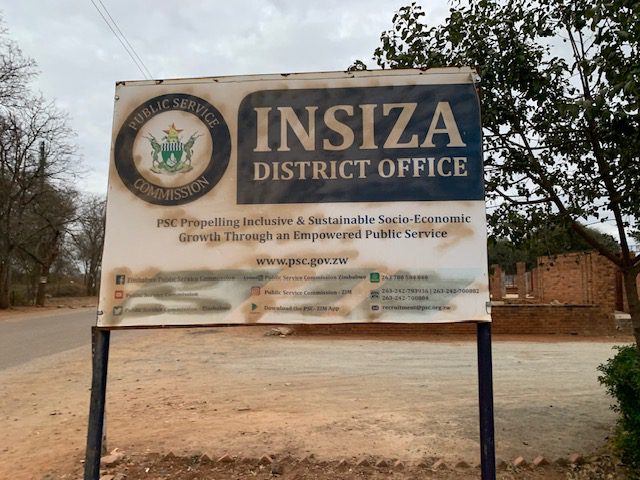
In the heart of Insiza, Matabeleland South, a half-finished registry building stands as a symbol of broken promises, stalled development, and the everyday challenges rural Zimbabweans face in accessing essential government services.
Construction on the registry building, which was launched in 2001 with hopes of decentralising services such as passport and birth certificate applications, has been at a standstill for years.
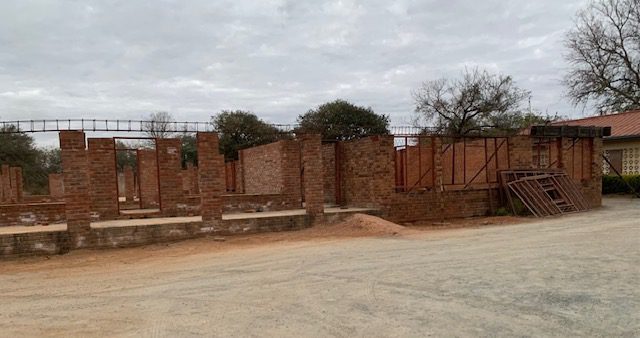
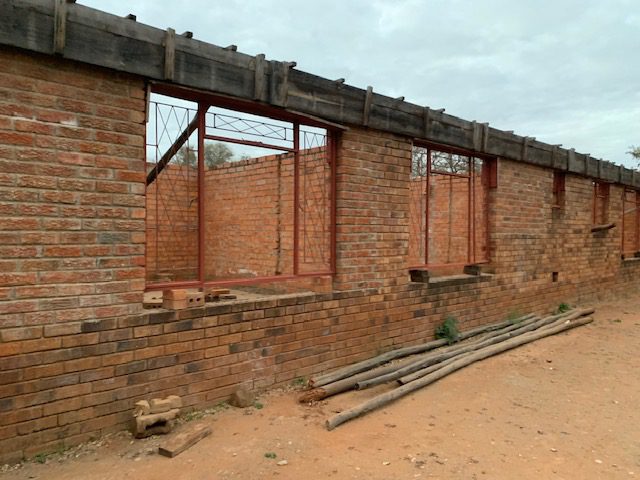
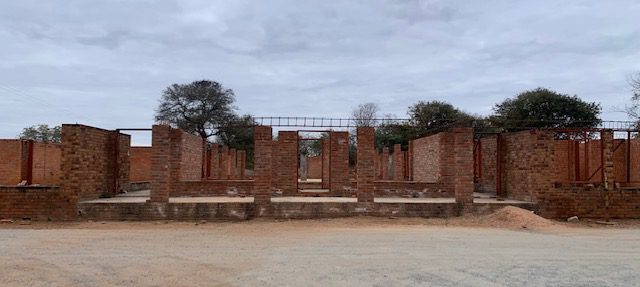
For residents like Zimiso Sibanda, the abandoned structure reflects not only physical neglect but also the erosion of trust in government delivery.
“We had high expectations, but we’ve lost hope,” said Sibanda. “That project is still unfinished, and there’s no indication of when or if it will be completed.”
On this topic
The absence of a fully operational registry building means that residents must still travel long distances to Gwanda or Bulawayo to access civil registration services, trips that are costly and time-consuming for many.
Even the existing Filabusi registry office, Sibanda noted, operates under severe constraints. Unreliable electricity supply often forces staff to rely on a generator, which requires several people to operate, leading to service delays.
“This results in long queues,” he explained. “Some people miss their transport and are forced to sleep in Filabusi.”
Beyond the logistical frustrations, there are deeper concerns over the handling of the project. Sibongile Sibanda, Vice Secretary of the Insiza Residents Association, questioned the transparency of the process. She cited reports of unpaid labourers and disappearing building materials as issues that have further disillusioned the community.
“I am so worried when I look at the registry building,” she said. “I’ve lost hope.”
Local leaders, however, remain hopeful that the stalled project can still be revived.
Sindiso Sibanda, Ward 15 chairperson in Insiza South, said completing the registry would bring immediate economic and social benefits to the community.
“If the registry building is finished, it will create jobs and change the face of Filabusi,” he said. “It would restore dignity to our people and improve access to crucial services.”
The delay has not gone unnoticed by local politicians. Insiza South legislator, Spare Sithole, said he raised the matter in Parliament last year but has yet to receive a response.
“I will follow up again, this time in writing,” said Sithole.
“The Insiza registry building is a priority, as it will save locals the trouble of travelling to Bulawayo and Gwanda for documents like passports. I will also take the opportunity to discuss this during the Independence Day celebrations, which will take place in Matabeleland South next year.”
According to a recent report from the Provincial Public Works Department, the registry project is 80% complete. Deputy Director Martin Mukoroverwa stated that work on shuttering and steel fixing for the ring beam remains at 50%, and a further US$595,000 is required to bring the project to completion. Erratic water supply has also hampered construction efforts.
Support CITE’s fearless, independent journalism. Your donation helps us amplify community voices, fight misinformation, and hold power to account. Help keep the truth alive. Donate today





Leave a Reply