
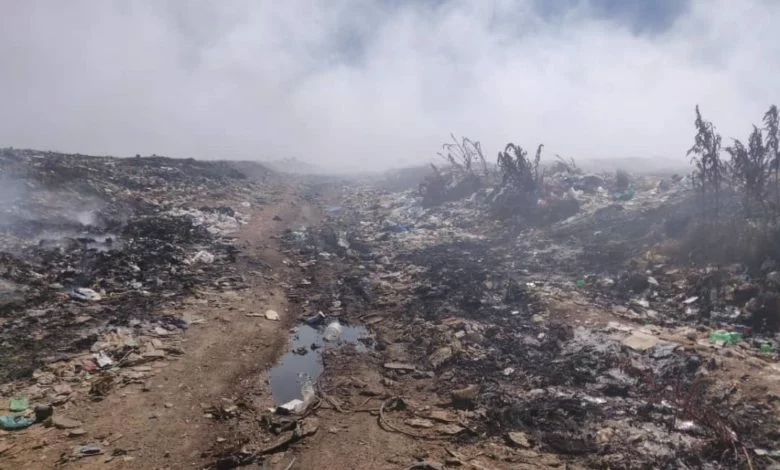
The Zimbabwe African National Congress (ZANC) has sounded the alarm over the worsening state of the Ngozi Mine Landfill in Bulawayo, warning that the site now poses a serious and escalating risk to both the environment and public health.
The landfill has long been plagued by uncontrolled fires that release toxic fumes into the atmosphere, affecting nearby communities, including Cowdray Park. Residents report persistent air pollution, with increasing cases of respiratory illnesses such as asthma and bronchitis.
ZANC president Timothy Mncube has called for swift and decisive action from both local and national authorities.
“The situation at Ngozi Mine is no longer a matter we can afford to ignore. It is a direct threat to the health of thousands of residents in Bulawayo,” Mncube said.
“We need urgent intervention to ensure that proper waste management systems are implemented. This crisis cannot continue to be pushed aside.”
On this topic
Originally designed to operate for 20 to 25 years, the landfill has exceeded its lifespan and continues to function with limited capacity and poor oversight. The Environmental Management Agency (EMA) has previously warned of the risks posed by the site, but their calls for reform have largely gone unanswered.
The landfill also lacks basic infrastructure and essential machinery, with reports indicating that compactors, bulldozers and tipper trucks are either broken or unavailable. As a result, effective waste processing has become increasingly difficult.
In response, ZANC has proposed a two-pronged approach: immediate fire suppression measures and a comprehensive long-term plan to overhaul waste management in Bulawayo. This includes the possibility of relocating the landfill or investing in sustainable solutions such as recycling initiatives and waste-to-energy technologies.
The party is also calling for greater community involvement, urging local authorities to engage regularly with residents affected by the crisis. Mncube emphasised the need for transparency, accountability, and inclusive decision-making.
“The voices of those living near the landfill must be heard and reflected in any long-term solutions,” he said.
“The health and safety of Bulawayo’s citizens must take precedence.”
At CITE, we dig deep to preserve the stories that shaped us—ZPRA Liberation Archives, the DRC War, and more. These are not just stories—they’re our roots. We don’t hide them behind paywalls. We rely on you to keep them alive. Click here to donate: https://cite.org.zw/support-local-news/




Leave a Reply