
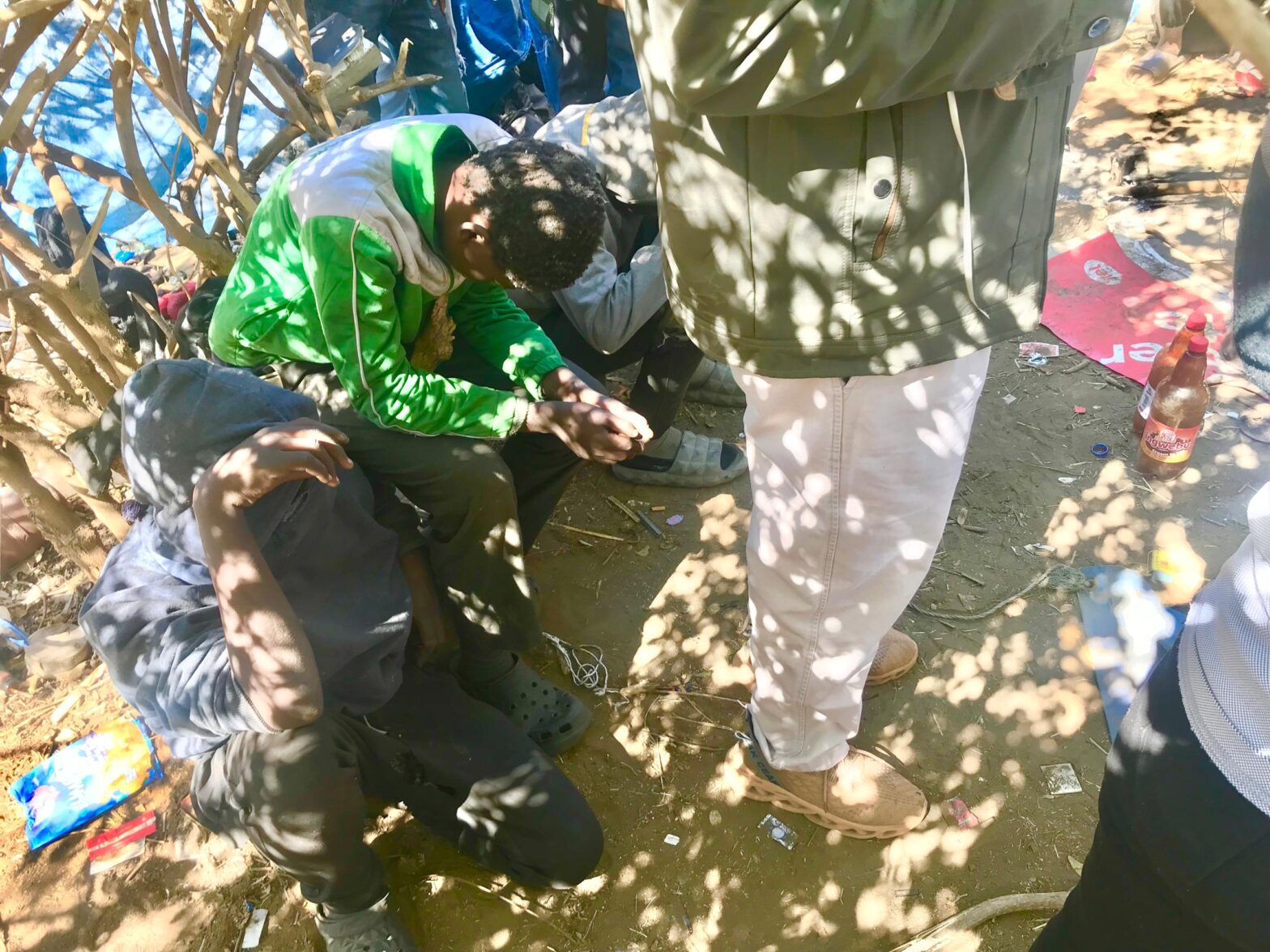
Street boys in Bulawayo are allegedly being targeted for sexual abuse by well-connected businesspeople who reportedly exploit them to harvest sperm for suspected ritualistic practices aimed at boosting wealth and influence, child protection activists have warned.
Shockingly, despite the severity of these violations, legal action remains rare due to fear, lack of reporting and systemic failures in law enforcement.
Social workers and activists working directly with street based children say boys under the age of 18 are lured with food, money and drugs before they are exploited.
Some are forced to engage in sexual acts with women in cars while businesspeople collect their semen in condoms, allegedly for ritualistic purposes.
On this topic
Others are taken to homes where they wash in tubs, given food allegedly laced with drugs.
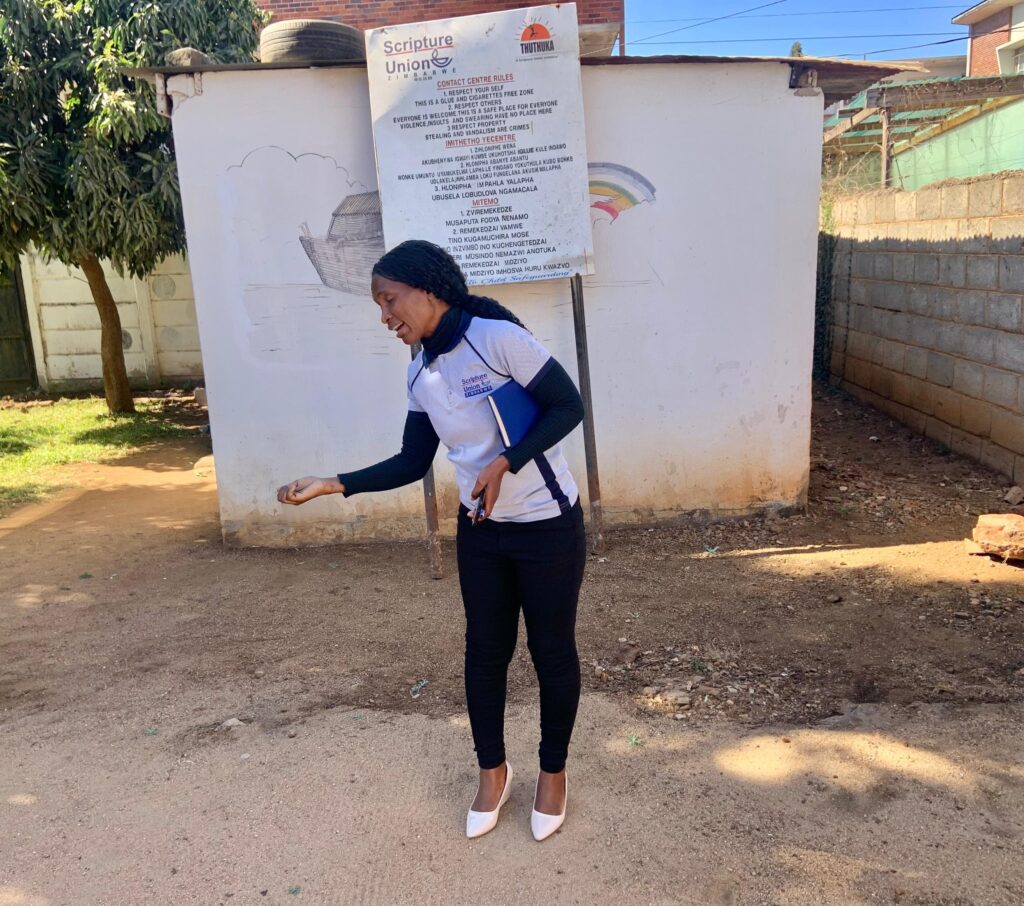
A child protection activist and social worker with the Thuthuka programme for vulnerable children run by Scripture Union Zimbabwe, Best Ndlovu, provided harrowing details of the abuse to journalists during a recent project visit organised by the National AIDS Council (NAC).
“The boy child is abused by individuals, or the abuse happens amongst themselves where they sexually abuse each other, or are sexually abused by businesspersons, which of late is trending,” she said.
“The business persons want sperm from them, to use for their businesses.”
Ndlovu explained how the exploitation unfolds.
“A child will tell us during our quarterly sessions on HIV and SRH that a person will come and say, ‘I have my wife here, please sleep with her’ and they sleep with her in the back of the car and the business person will be in front,” said the social worker.
“What he does is to change condoms and give them to the boys. The businessperson will tell one boy to look for three boys and give them money. When one boy is finished having sex, the businessperson takes the condom. When the boys are three, you know the person has three condoms.”
The boys are first lured with food, often spiked with substances that leave them disoriented.
“The business person will first feed them, we don’t know what they are fed but the boys will tell you that they started ‘feeling dizzy and don’t know what happens but will be enjoying’ because they are hungry on the streets,” Ndlovu said.
Ndlovu said children on the streets are prone to such as organisations are not always there to feed them.
“When they are given that food, seeing those sausages to them it’s a lifetime achievement,” she said.
After being fed, the street based children are allegedly taken to lodges or homes.
“They are taken to places where they wash in tubs and these children are drugged and you don’t know what happens after that. Others boys are used for rituals through sexual abuse and tell you they know that certain man and advise each other not to follow him because chilren are sexually abused,” Ndlovu said.
The social worker further said the street based boys will say “they are afraid of reporting a certain man because when they go to the police the police say they are crazy.”
Ndlovu cited the fear of the street boys in reporting.
“It will be a long story when going there, you have to be geared because someone can have connections there…You need support so that when confronting that individual you are protected. I don’t want to be accused of exposing so and so,” she said.
“What I can do is empower my child to know there are other organisations such as Childline because some police officers are alleged to know those businesspeople.”
Ndlovu added that some boys are paid between “US$10 and US$100” after the sexual acts depending on their age.
“There will be little boy children. Even the children know that when some of these businesspeople offer food or say to them come bath at my house, the next extra is when you are done eating, you would have been drugged,” she claimed.
The social worker said such sexual exploitation also heightens the risk of HIV and other sexually transmitted infections (STIs) among the street based boys.
“Sometimes the boys will sleep with one girl and if you don’t empower them to use condoms all will be affected with STIs,” Ndlovu said.
She, however, noted some children access medical care through the Department of Social Development’s Assisted Medical Treatment Order (AMTO).
“They come to the contact centre here because we offer medical assistance through the Department of Social Development and are given the Assisted Medical Treatment Order (AMTO) and come to us to help them buy the prescription,” Ndlovu said.
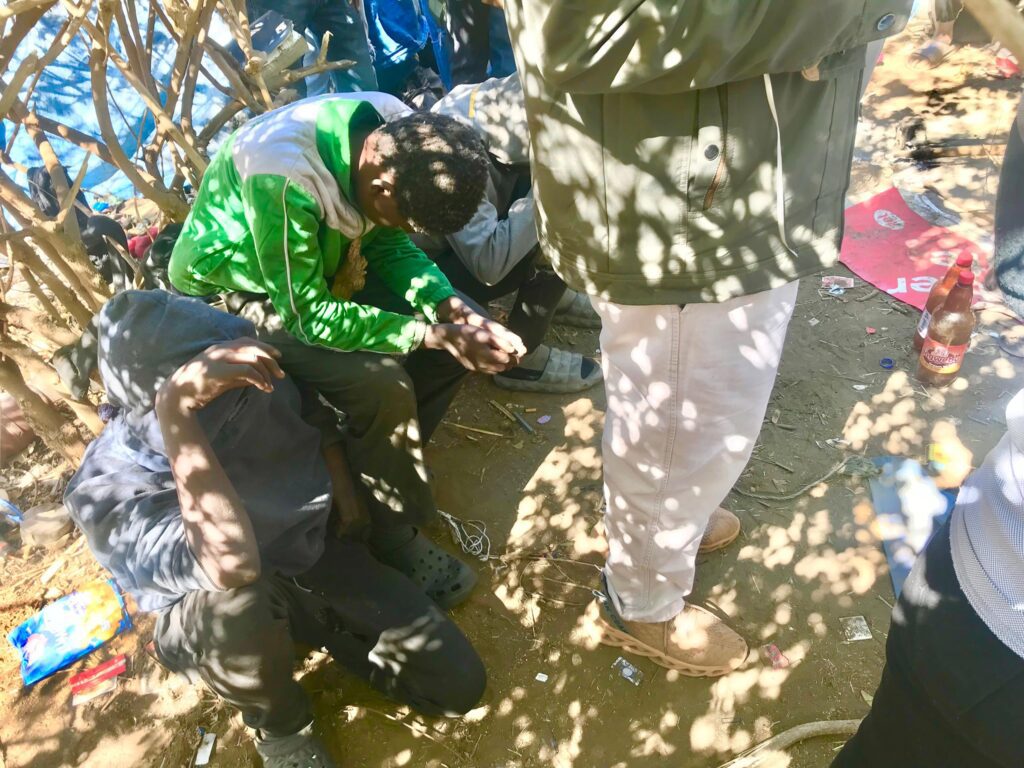
When the news crew visited the sites where the street based boys live in Bulawayo, the boys were reluctant to discuss the alleged sexual abuse, though their behaviour, nervous laughter and exchanges suggested they were aware of the incidents but unwilling to speak openly.
Sikholiwe Ncube, Bulawayo Provincial Coordinator for Scripture Union Zimbabwe, added that the centre sometimes keeps antiretroviral medication for children living and working on the streets, as the children often share the pills among themselves or steal from one another.
Despite the severity of the allegations, police claim they have never received reports of boys sexually abused in this manner.
“To be honest, from our side as the police, we haven’t directly engaged with the children living and working on the streets,” admitted Acting Bulawayo provincial police spokesperson Inspector Nomalanga Msebele in an interview.
Msebele said their interaction with street based children, most of the time, happens during arrests.
“They are not exempt from committing crimes. Often, we encounter them when they are running away from us as we try to apprehend them,” she said.
“We have not sat down with them, engaged them one-on-one, or conducted any awareness programmes targeting them. Usually, our approach is to chase them off the streets and tell them to go back home, especially when there is a noticeable increase in their numbers around town. Sometimes this is in response to a rise in crimes like snatching cellphones or even wigs from women.”
The provincial police spokesperson said such reports have come from girls.
“Girls who come forward to report abuse are mostly those who have been raped while living in parks, particularly behind Eveline High School. We process them as ‘vagrants with no fixed abode.’ We’ve handled such cases,” Msebele said.
“But when it comes to boys being sexually abused, I have never received any reports in the eight years I’ve been in this office. I also haven’t heard of the issue of their harvested sperms.”
Msebele urged organisations working with street children to facilitate reporting.
“Organisations who work closely with these children could invite us to speak to them. But honestly we have not received such cases. We need platforms to engage with them and encourage them to come up,” said the police spokesperson.
“We know of such cases when people come forward but if they don’t, we won’t know there is such a thing happening to them. They are equally humans who have to be protected.
Msebele said police “treat sexual offenses seriously” regardless of who the complainant was.
“Whatever sex you are, we don’t play with such. No one comes forward to lie about such violations because it’s difficult even to admit it happened. All such cases are handled at Central Police Station,” Msebele said.
“We must find ways to engage these children and educate them. If they face abuse or any other challenges, they should feel empowered to report. Unfortunately, when they see the police, they often run, especially those involved in crimes like snatching bags, wigs, or phones. We talk about rounding up street children, but the reality is, they rarely come to us.”
Bulawayo Provincial Social Development Officer, Energy Mlambo, confirmed that while government interventions exist, many street-based boys and girls suffer in silence, leaving perpetrators unpunished.
“We do have interventions we have been doing, reaching out to the street children. We have been working hand in glove with other stakeholders, Bulawayo City Council, Scripture Union, who have been supporting such initiatives of the government,” she said.
Mlambo acknowledged that some cases of abuse go unreported, with children either too scared or resigned to their exploitation.
“It could have been happening, but some of the children end up not reporting and end up remaining silent. Then some, fed up, can also report such issues,” she said, urging victims and witnesses to come forward to report.
“They can even walk in at any given point. Even to report directly to the police, they are also free to do that and anyone can report any alleged violation of a child. Any suspected case can be reported and investigated. Investigations are done.”
However, Mlambo admitted that arrests and prosecutions fall under police jurisdiction.
“On arrests, I may not comment because the police are responsible,” said the development officer.
Reached for comment, Bulawayo North Constituency MP Minenhle Gumede, pledged to take the matter to the Ministry of Home Affairs.
“This must not be allowed to continue even a single second more, hence I am escalating the matter with the home affairs ministry and will engage other organisations, especially the rights commissions,” she said.
“The police must act from the highest level of their ranks. This is serious lawlessness if they do not investigate. The rule of law must be adhered to. Human tissues should not be a play thing. If they are not a plaything for scientists, people who contribute to knowledge, what more some random business people. These people must be stopped.”
The revelations have sparked outrage, with analysts expressing shock on how vile some individuals were.
Legal expert and lawyer, Dr Vusumuzi Sibanda said investigations are needed on such incidents.
“These reports are disturbing, there should be ways of investigating these incidents. Lack of police or legal action leaves street-based boys and other children on the streets vulnerable. Without systemic intervention, the cycle of abuse will persist unchecked,” he said.
Another analyst, Mxolisi Ncube concurred that urgent intervention is needed.
“If this is true, this needs urgent intervention. I wonder what these people do with these boys’ sperm. But whatever it is, harvesting human semen like that is unethical and should not be allowed to continue without law enforcement agents getting involved. It just sounds spooky, and some kind of witchcraft,” he said.
When others look away, we dig deeper. From ZPRA history to local corruption, CITE tells the stories that matter. Keep our journalism independent. Donate here




Leave a Reply