
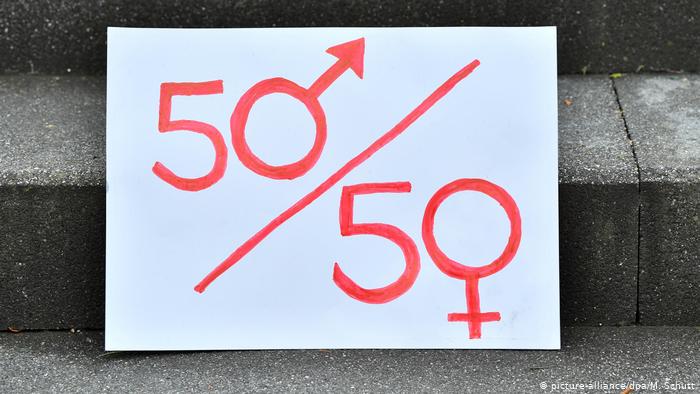
The Women’s Coalition of Zimbabwe (WCoZ) has renewed calls for the full enjoyment of rights and entitlements for all women, with a strong emphasis on achieving equal representation in leadership and decision-making roles.
Speaking at a women’s summit held on Tuesday in Bulawayo, WCoZ Chairperson Muchanyara Cynthia Mukamuri said there is a need for systemic reforms to improve the lives of Zimbabwean women, who she said have historically been left behind.
The summit was attended by representatives from the Zimbabwe Gender Commission, the Ministry of Women Affairs, civil society groups, and women’s organisations.
“Women in Zimbabwe constitute about 52% of the population, and as such, we want to see women in positions of power,” said Mukamuri.
On this topic
“We want 50-50 representation, in the Lower House, the Upper House, among CEOs of parastatals, and even among ambassadors appointed by the President. Women must take up leadership roles and be equally responsible.”
Mukamuri said the push for parity spans all sectors and reflects the demographic reality of the country. She also expressed concern over the rising levels of gender-based violence (GBV), which she said increasingly results in femicide.
“As we navigate this terrain, we’ve observed a disturbing increase in gender-based violence, which at times escalates to femicide,” she said.
“It’s deeply worrying when one of our own is killed because of intimate partner violence.”
The coalition envisions a peaceful Zimbabwe where women can fully enjoy their rights and move freely without fear.
WCoZ is also urging the government to fully implement existing policies and legal frameworks that promote gender equality. Mukamuri pointed to Zimbabwe’s Constitution, which she described as the supreme law guaranteeing gender equality and non-discrimination.
She specifically cited Sections 17, 56, and 80, calling for these provisions to be implemented, reviewed, and actively monitored.
Mukamuri questioned how Zimbabwe can hope to meet Sustainable Development Goal (SDG) 5, which promotes gender equality, without treating men and women equally.
“It’s about changing the mindset,” she said. “Our society must evolve to recognise that women should be seen through the same lens as men. What men can do, women can do – and often do it better.”
She also pointed to unpaid domestic labour as a major barrier to women’s participation in the workforce, arguing that women are expected to maintain households while competing with men in job markets.
“A woman is expected to look after the home and still compete on equal footing in interviews with the same man she was caring for,” she said.
The coalition is advocating for the recognition and costing of unpaid care work so that women can benefit from policies that address this burden.
Mukamuri acknowledged that uplifting women would not be easy but said the journey must begin by honouring existing commitments.
“Zimbabwe has already made these commitments through its policies, its Constitution, and the regional and international protocols it has signed,” she said.
“These should be the entry point in reversing the imbalance that currently favours men and leaves women behind.”
At CITE, we dig deep to preserve the stories that shaped us—ZPRA Liberation Archives, the DRC War, and more. These are not just stories—they’re our roots. We don’t hide them behind paywalls. We rely on you to keep them alive. Click here to donate: https://cite.org.zw/support-local-news/





Leave a Reply