

Bulawayo city councillors have called for an increase in fines for littering in a bid to deter individuals and organisations who continue to dump waste illegally in undesignated areas.
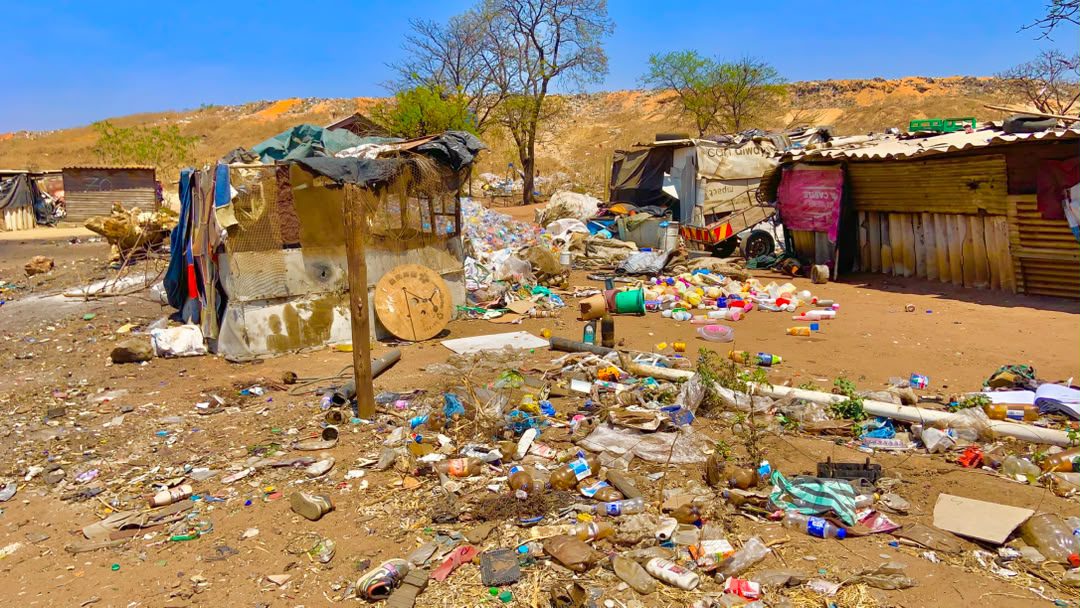
Littering remains a persistent problem for the local authority, with uncollected garbage becoming a common sight across the city, particularly in the central business district.
Speaking during a full council meeting on Wednesday, Ward 5 Councillor Dumisani Nkomo urged the Health, Housing and Education Committee to consider reviewing penalties for littering, saying current fines are too low to act as a deterrent.
“I want to propose that the committee explore enforcement and fines,” said Cllr Nkomo. “The committee must look at increasing the fines for littering, including for those who throw litter out of moving vehicles — a very prevalent practice in the city.”
On this topic
He also recommended that the committee require businesses and churches to install bins on their premises and collaborate with council in a proposed “Give a Bin” campaign.
Currently, fines for littering range from Level 1 (US$5) to Level 3 (US$30).
Adding to the debate, Councillor Melissa Mabeza said enforcement needed to be strengthened, including outside of standard working hours.
“If the house can allow 24-hour enforcement in town because just yesterday, around 8:30 PM, I saw about six trucks offloading near the market, blocking traffic,” she said. “They were offloading sugar cane, cutting off the tops, and throwing the waste on the road.”
Cllr Mabeza added that many littering offences were being committed by visitors from outside the city, who often ignored civic hygiene norms.
“We’ve even received complaints that some of them relieve themselves in the streets,” she said.
According to the latest Health, Housing and Education Committee report, the city is operating with only nine functional refuse collection trucks, while eleven others are currently out of service.
“The transport situation remained a challenge, as only eight compactors are within their service lifespan. The rest have outlived their usefulness, resulting in frequent and unpredictable breakdowns,” the report stated.
The shortage has also hampered other critical operations, including waste education campaigns, investigation of complaints, and dog control, due to a lack of supervisory vehicles.
To address the shortfall, the city has engaged private contractors to assist with refuse collection in the western suburbs and the city centre.
At CITE, we dig deep to preserve the stories that shaped us—ZPRA Liberation Archives, the DRC War, and more. These are not just stories—they’re our roots. We don’t hide them behind paywalls. We rely on you to keep them alive. Click here to donate: https://cite.org.zw/support-local-news/





Leave a Reply