

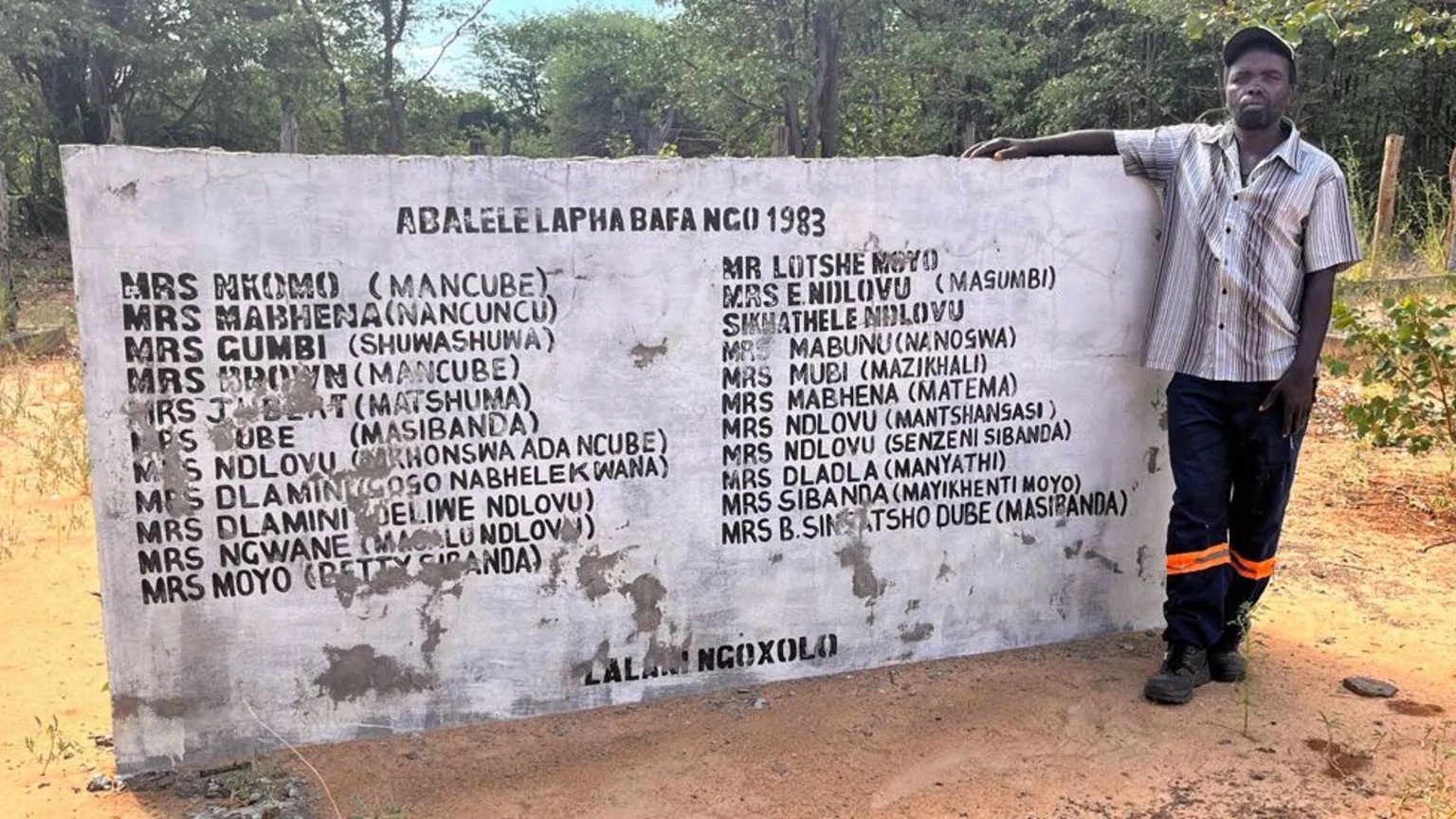
Fears are mounting that the upcoming Gukurahundi hearings set to begin on June 26 may intimidate and retraumatise victims, particularly women, after traditional leaders confirmed testimonies will be taken in private before a 14-member panel.
The announcement by the National Council of Chiefs that victims will appear alone, possibly with one or two family members for support, has triggered concern among civil society, politicians and scholars.
Deputy President of the National Council of Chiefs, Chief Fortune Charumbira, told a press conference in Bulawayo that, “these are not public hearings,” explaining how victims from the same community will not appear together but will be seen privately by a 14-member panel led by the local chief.
Read: https://cite.org.zw/gukurahundi-hearings-to-be-held-in-private-as-media-barred/
On this topic
However, this structure has sparked alarm, with critics warning the format risks replicating the same silencing and intimidation that has surrounded the Gukurahundi genocide for decades.
While the government and traditional leaders insist on a “victim-centred” approach, survivors and advocates argue genuine healing and safety require more than private interviews, especially women bore the brunt of the genocide.
To see how some women suffered during Gukurahundi, watch this CITE documentary:
Bulawayo North MP, Minenhle Gumede, said if this exercise is carried out this way, it is likely to intimidate a lot of victims, especially women whose testimonies are important.
“The victims themselves need this, so that they can feel they have been listened to and have been heard. But if they are to give their testimonies under such an intimidating environment, they are not likely to speak honestly about what they experienced and what is in their hearts and minds,” she said.
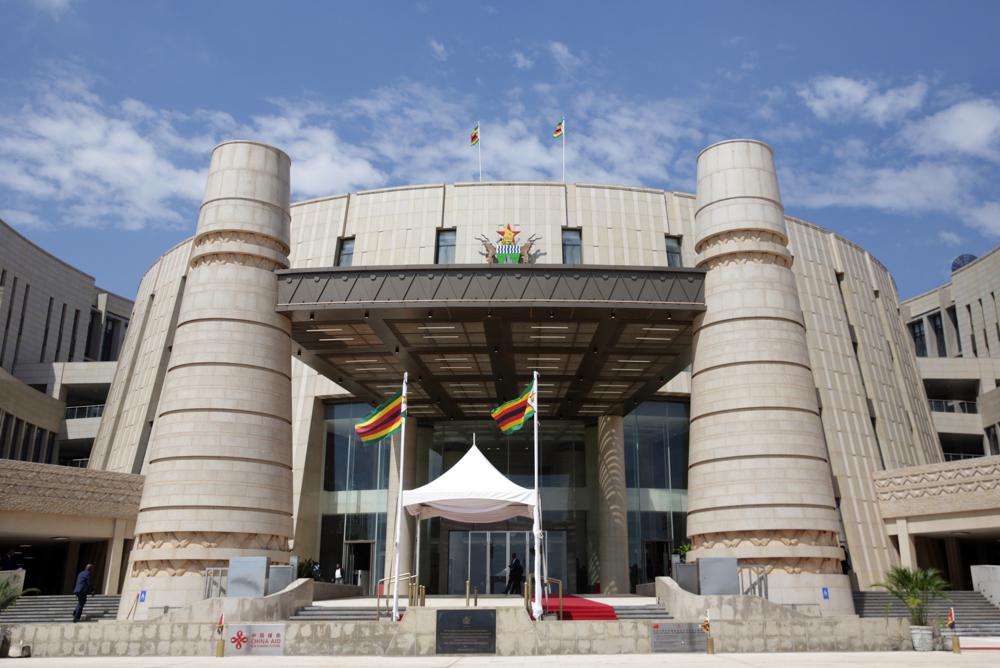
The legislator said although there has been no legal instrument passed through Parliament supporting this programme, she would “confer with colleagues” to find out if there is a way of moving a motion in Parliament and asking the government to re-look at this arrangement.
“This proposed setup is intimidating and will not lead to any truth-finding and healing but further traumatisation of the victims. The whole exercise provides an opportunity for healing for a region that has suffered a lot. However, it looks like this is an opportunity that will be missed,” Gumede stated.
South Africa Coordinator for The Patriotic Front (TPF), Hannah Kayisa, echoed similar sentiments.
“Yes, I share the concerns raised regarding the structure of the upcoming Gukurahundi hearings. While the effort to open space for testimony is welcome, the format as announced risks silencing or retraumatising those it aims to uplift, especially women who were disproportionately affected by the violence,” she said.
“Appearing individually before a 14-member panel, with the presence of only one or two family members, can be an intimidating process, particularly for women survivors of sexual violence, who often carry the burden of shame, silence, and societal stigma. Trauma is not just a memory; it is a living wound, and the environment in which victims are asked to speak must be one of safety, support, and sensitivity.”
Kayisa pointed to international examples for guidance, noting that in South Africa, the Truth and Reconciliation Commission (TRC) recognised early on that truth-telling without healing could lead to re-traumatisation.
“The TRC provided private hearings, psychological support, and even special women’s hearings to acknowledge the gendered nature of apartheid-era violence,” she said.
“In Rwanda, after the 1994 genocide, the Gacaca courts attempted to incorporate local customs and community-based justice to make the process more participatory and familiar. Crucially, Rwanda supplemented these courts with mental health programmes, community reconciliation initiatives, and survivor support groups.”
She warned the current Zimbabwean approach “risks creating a courtroom atmosphere rather than a healing space.”
“Are we seeking to tick a box, or are we building a process that helps survivors reclaim their voice, dignity, and power? As author and trauma specialist Judith Herman once wrote, ‘The core experiences of psychological trauma are disempowerment and disconnection. Recovery, therefore, must be based upon the empowerment of the survivor and the creation of new connections.’”
Kayisa called for a revised structure that would allow group testimonies or community-based sessions, broader support accompaniment, and involvement of women’s and survivor-led organisations.
A Critical Studies scholar, Dr Khanyile Mlotshwa, provided a scathing critique of the setting, stating it does not matter whether one is male or female, the “arrangement is intimidating.”
“I saw one comment trending on a WhatsApp group where the person stated, ‘aluba bayekela ngoba kuyacaca abafuni.’ I think that sums it up. The government must not waste any state resources claiming they are on a truth-finding mission when clearly they are out to intimidate the victims,” he said.
“The whole thing becomes ironic considering that victims will be appearing before the same government that undertook the victimisation in the early 1980s. It’s like a playground bully beating up another kid and then asking them, ‘I did not hit you, did I?’ The traditional leaders are proposing a playground setup.”
Former government minister and veteran opposition politician Moses Mzila Ndlovu minced no words, suggesting people boycott the exercise or they could be complicit in its failure.
“Because this is an absolutely criminal exercise carried out by the very people who initiated and carried out the Gukurahundi killings of our people, I would insist that it is a criminal exercise. What is not being said to the public about their security is what people are going to learn when this exercise is over, when they start being hunted down by the same people who killed their relatives or raped them,” he said.
At CITE, we dig deep to preserve the stories that shaped us—ZPRA Liberation Archives, the DRC War, and more. These are not just stories—they’re our roots. We don’t hide them behind paywalls. We rely on you to keep them alive. Click here to donate: https://cite.org.zw/support-local-news/




Leave a Reply