
By Ndumiso Tshuma
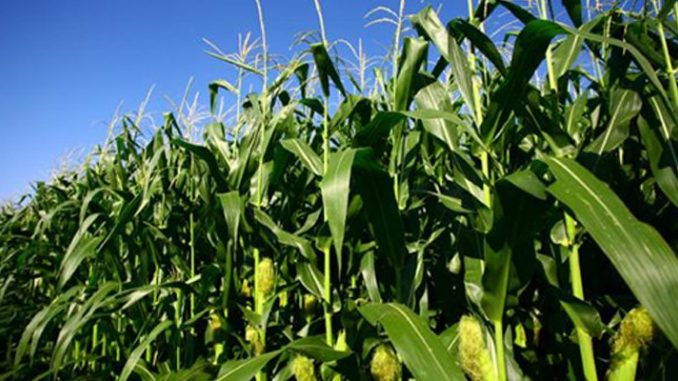
Zimbabwe has been officially removed from the global Hunger Hotspots list, marking a significant milestone in the country’s efforts to improve food security.
The announcement was made in the latest joint report by the Food and Agriculture Organization (FAO) and the World Food Programme (WFP), supported by the European Union through the Global Network Against Food Crises (GNAFC).
FAO Subregional Coordinator for Southern Africa and FAO Representative in Zimbabwe, Patrice Talla, said the development represented more than a statistical change.
On this topic
“For Zimbabwe, exiting the Hunger Hotspots list represents renewed hope, enhanced stability, and the potential for accelerated economic and social development,” Talla said.
He explained that the Hunger Hotspots list serves as an early warning system, highlighting countries at risk of severe food shortages and in need of emergency assistance. Zimbabwe’s removal from the list suggests the country can now shift focus towards long-term agricultural development and investment in food systems.
“For years, being on this list meant Zimbabwe faced significant challenges in ensuring its population had reliable access to sufficient, safe, and nutritious food,” Talla said.
Over the past decade, Zimbabwe appeared on the list six times, particularly during periods of drought and economic instability between 2014 and 2019.
Talla commended the Zimbabwean government for its role in addressing food insecurity, citing initiatives such as the National Development Strategy 1 (NDS1) and the Pfumvudza/Intwasa programme, which have encouraged climate-smart farming methods and improved access to essential inputs such as seeds and fertilisers.
He also highlighted the FAO’s technical support to Zimbabwe, which included training, policy advice, and promotion of drought-resistant crops, improved water management, better post-harvest handling, and stronger market systems for farmers. Efforts to improve livestock production through better animal health and management were also part of the strategy.
“Zimbabwe’s progress is a testament to the power of collective action and serves as a beacon of hope for other nations facing similar food security challenges,” Talla said.
However, he cautioned that risks remain.
“Challenges such as economic instability, inflation, and climate change threats persist. To secure lasting food security, it is crucial to maintain momentum, consolidate progress, and strengthen resilience,” he added.
Talla called for continued collaboration between government, development partners, and farmers to ensure that food security gains are sustained.
“By working together, we can build a future where everyone has access to sufficient, safe, and nutritious food,” he said.
When others look away, we dig deeper. From ZPRA history to local corruption, CITE tells the stories that matter. Keep our journalism independent. Donate here







Leave a Reply