

By Ndumiso Tshuma
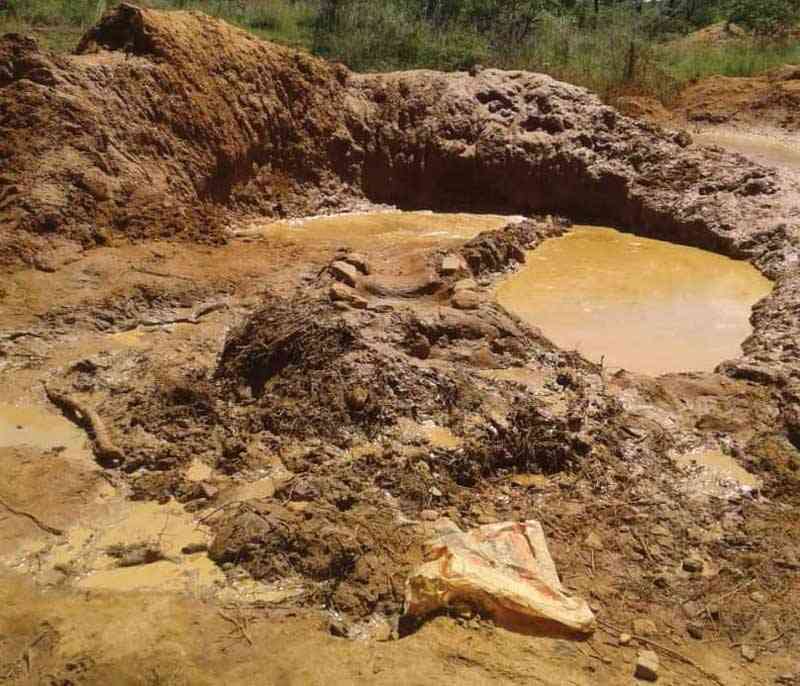
Zimbabwe is grappling with how to regulate its fast-expanding artisanal mining sector, as economic hardship, job losses and currency instability continue to push thousands into informal gold mining.
Artisanal mining has grown significantly over the past two decades and now accounts for a large share of the country’s gold output.
But most of this activity remains outside the government’s control, raising concerns over lost revenue, safety risks and environmental damage.
On this topic
“The artisanal mining sector has grown phenomenally from almost zero at independence in 1980 to the current situation where the number has grown significantly, and it’s quite difficult and almost impossible to get an exact number of how many artisanal miners we have in Zimbabwe,” said Farai Maguwu, director of the Centre for Natural Resource Governance, in an interview on This Morning on Asakhe, a current affairs programme hosted by CITEZW on X (formerly Twitter).
“If you read the book that was published by Ladris about a decade ago, it estimated that by 1990 Zimbabwe had about 400,000 artisanal miners. The number had actually jumped because of the implementation of the Economic Structural Adjustment Programme, which the government started implementing around 1990, and the retrenching of a number of workers who then turned to artisanal mining, especially of gold,” said Maguwu.
Maguwu said the government has over the years struggled to regulate artisanal maning.
“The problem is not with small-scale miners, but with chikorokoza, the artisanal miners. Government has failed to cope with the growing population and urbanisation, where people went to towns looking for jobs but couldn’t find any whose numbers have spiralled,” he said.
The discovery of diamonds in Marange in 2006 fuelled the surge, attracting not only miners but also teachers, office workers and professionals seeking fast income. After a state crackdown in 2008, many returned to gold panning as economic conditions worsened.
Climate change has also played a role, with failing rains pushing struggling farmers into mining. Meanwhile, some land reform beneficiaries have allowed miners onto their properties in exchange for fees, Maguwu said.
He added that Zimbabwe’s ongoing currency crisis is another key factor, with the Zimbabwe dollar losing value against the US dollar, gold remains one of the few reliable sources of hard currency.
“Two grams of gold can earn between US$80 and US$100 and that’s what everyone wants,” said Maguwu.






Leave a Reply