
By Ndumiso Tshuma
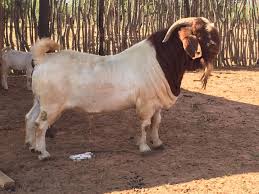
Goat farmers are adopting a technique known as the “buck effect” to improve breeding efficiency and boost productivity.
Agricultural experts say the method, which involves the sudden introduction of a male goat (buck) to females (does) after a period of isolation, is transforming estrus synchronisation.
The buck effect triggers a natural hormonal response in does. When exposed to a buck after separation, their bodies release hormones that induce heat (ukudabula) and ovulation.
On this topic
Nqobani Manyabi, an animal science specialist at EL Ganado Consultancy, said the benefits of this natural synchronisation are significant.
“Synchronising estrus allows precise timing of breeding and artificial insemination, increasing the chances of successful conception,” he said.
“By synchronising estrus, farmers can optimise breeding and kidding rates, leading to greater productivity and efficiency. It also enables better herd management by reducing variability in breeding and kidding dates.”
Manyabi explained that using the buck effect involves a straightforward process: does are separated completely from bucks for two to three months. The sudden reintroduction of the buck then stimulates a rise in luteinising hormone (LH), which is crucial for ovulation.
“Most does will exhibit estrus behaviour and ovulate within three to five days of buck introduction,” he said.
Manyabi added that bucks should be at least two years old and have had at least one prior mating period.
“They must be in good health and body condition. All technical preparations should be completed at least one month before buck introduction. Bucks should have been isolated from females for at least two months,” he said.






Leave a Reply