
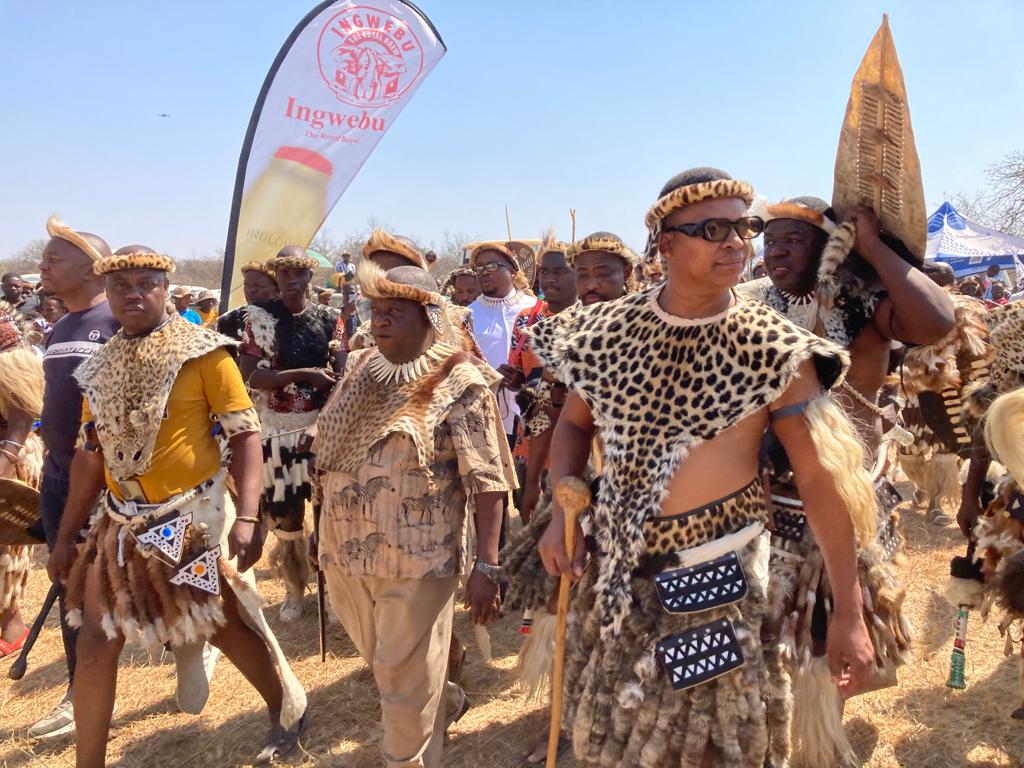
Cultural activists have renewed calls for the Zimbabwean government to respect and enforce cultural and traditional rights, which they say are protected under the Constitution.
The calls come after Local Government Minister Daniel Garwe reportedly rebuked Bulawayo Mayor David Coltart in a strongly worded letter for hosting King Bulelani Khumalo, a claimant to the Ndebele throne.
In the letter, dated 23 April, Minister Garwe asserted that Zimbabwe’s Constitution only recognises chiefs, headmen and village heads.
“The government of Zimbabwe has over the years incessantly denounced and dissociated itself from a self-proclaimed ‘King’ Bulelani, who illegally claims to be the legitimate heir to the now defunct throne of King Lobengula,” Garwe wrote.
On this topic
He warned city officials against associating with Khumalo, saying such conduct was misleading and unlawful.
“The Ministry would like to advise you, as Mayor of the City of Bulawayo, and any other city functionary, to desist from entertaining this charlatan, self-styled ‘King’ Bulelani. Such behaviour is not only criminal but has the negative effect of misleading the general public.”
The statement has provoked criticism from cultural activists, who say the government is disregarding the cultural identity and historical legacy of the Ndebele people.
Speaking on This Morning on Asakhe, a CITE X Spaces current affairs programme, historian and cultural activist Thomas Sibanda said the issue highlights the need for continued lobbying to secure the recognition of traditional monarchies.
“I encourage cultural activists to keep lobbying for their cultural beliefs — through advocacy, court petitions and other democratic channels — to enforce and protect their rights,” Sibanda said.
He also criticised the enduring influence of colonial traditions on Zimbabwe’s post-independence cultural structures.
“Just look at how our chiefs still dress — those odd gowns and hunter’s hats. That colonial legacy has been preserved 45 years after independence. It’s time we became culturally authentic.”
Bongani Mazwi Mkhwanazi, another cultural advocate, said identity and culture are inseparable, and the collapse of traditional kingdoms under colonial rule left deep psychological and spiritual scars.
“Without our identities, we are nobodies,” Mkhwanazi said.
“The downfall of our kingdoms caused significant spiritual dislocation. Ceremonies like Inxwala, which celebrated kingship and brought the nation together, were crucial for our cultural and spiritual alignment.”
Ibhetshu LikaZulu secretary-general Mbuso Fuzwayo also condemned the minister’s remarks, describing them as reflective of the government’s broader attitude toward Ndebele culture.
He stressed that cultural practices should not be subject to state approval.
“When the time comes for our king’s coronation, the government will be informed — not consulted,” Fuzwayo said.
“Our cultural sovereignty does not depend, and will not depend, on validation from political authorities.”
While Zimbabwe’s Constitution formally recognises traditional leadership, it does not specifically provide for the restoration of pre-colonial monarchies.





Leave a Reply