

By Promise Dube
Zimbabwean workers are “under siege” from economic collapse, government neglect and rampant corruption, United Freedom Party (UFP) leader Godwin Zivavose has said.
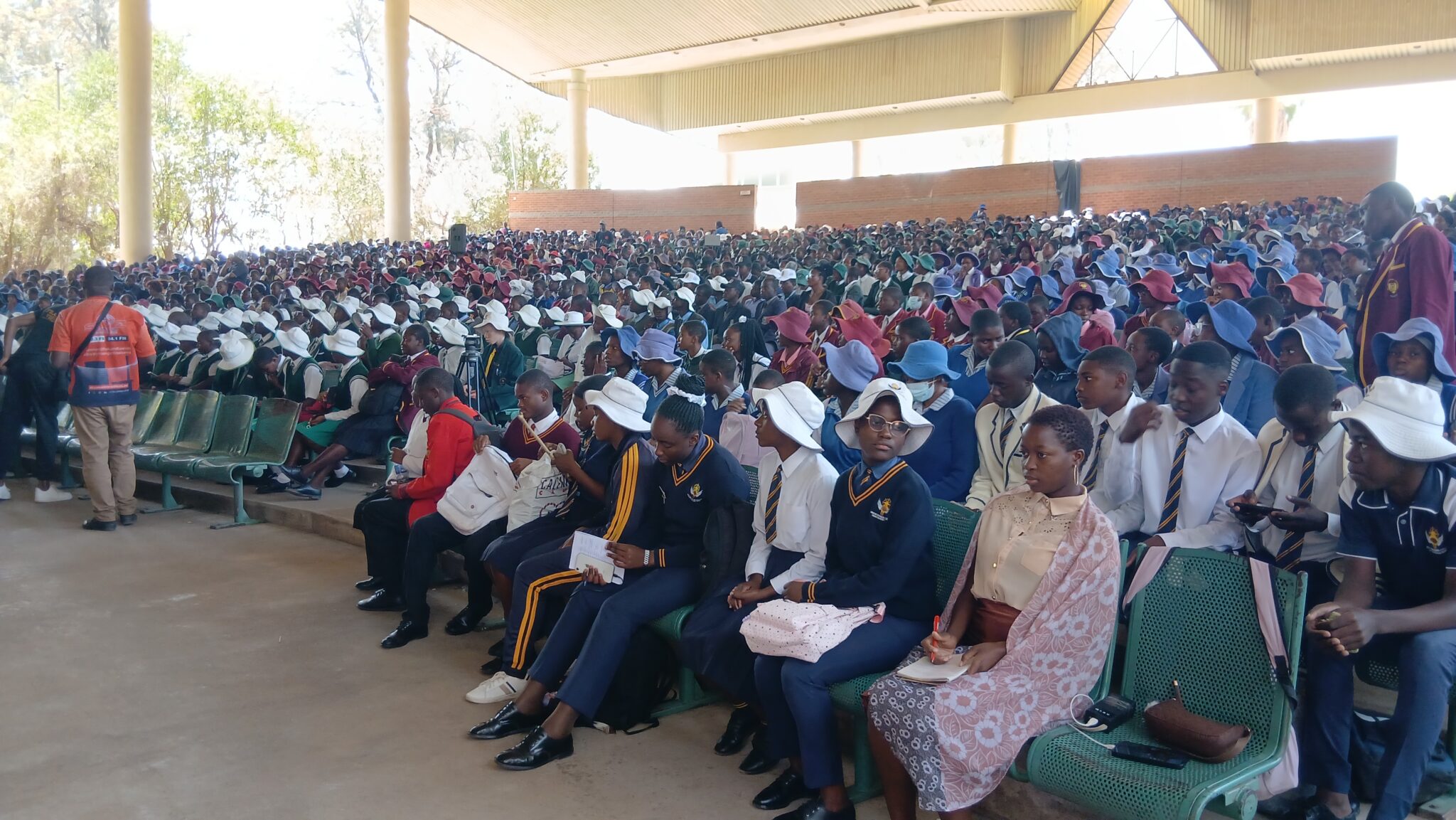
In a speech ahead of the Workers’ Day celebrations, Zivavose accused the government of failing the country’s workforce, describing the current state of labour conditions as a national crisis.
He said Workers’ Day was no longer a moment of pride but a solemn reminder of the struggles facing millions of Zimbabweans.
On this topic
“There is little to celebrate for the ordinary worker,” he told the crowd.
“We gather not to bask in the glory of fair wages or job security, but to mourn the erosion of dignity, the betrayal of effort, and the suffocation of hope.”
The opposition leader questioned how citizens could celebrate when teachers, responsible for shaping the next generation, could not afford basic groceries. He also criticised the poor treatment of healthcare workers, highlighting how nurses were forced to walk to work on empty stomachs, only to return to homes without electricity because they could not afford to pay for utilities.
Zivavose said workers in factories continued to endure hazardous conditions for meagre wages, while the country’s youth, despite being educated and skilled, roamed the streets jobless and hopeless. Civil servants, he added, were grossly underpaid, with teachers earning less than the monthly cost of a basket of groceries, and pensioners receiving payouts too small to buy a loaf of bread.
He lamented the mass migration of professionals such as doctors, engineers and artisans, who he said were being forced to leave not out of choice, but by an economy that no longer rewards merit or hard work.
The UFP president also condemned the treatment of university lecturers who recently went on strike over low pay and poor working conditions. Some were reportedly arrested during the protests. Zivavose said the arrest of academics was a stark indication of how the government punishes those who serve the nation.
“They toil and bend over backwards to generate a literate society—and what do they get in return? Arrests and silence,” he said.
He blamed the worsening labour conditions on a combination of corruption, poor planning, and a political system that he said favours the connected while marginalising ordinary citizens. However, he insisted that this was not the inevitable fate of Zimbabwean workers.
Zivavose outlined the UFP’s vision for labour reform, promising a Zimbabwe where work brings dignity, not suffering. He said his party would prioritise a living wage that reflects the true cost of living, rather than a symbolic minimum wage that fails to meet basic needs. He also committed to improving working conditions across all sectors and called for urgent reforms to labour laws to better protect workers’ rights.
He pledged support for the informal sector, saying traders should be respected and supported rather than harassed. The UFP, he said, would drive job creation through investment in local industries, and focus on skills development to prepare youth for meaningful employment in a reformed economy.
“We will push for investment in industry and skills development so that the youth of today become the workforce of a prosperous tomorrow,” Mr Zivavose said.
He urged workers not to accept injustice as normal and called on them to unite in pursuit of a fairer Zimbabwe.
Zimbabwe’s economy continues to grapple with high inflation, currency volatility, persistent power outages and a deteriorating public service sector.




Leave a Reply