

By Ndumiso Tshuma
The Environmental Management Agency (EMA) of Zimbabwe has called for greater commitment to wetland conservation and sustainability, urging both public and private sectors to recognise the vital role these ecosystems play.
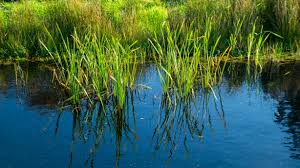
Wetlands are areas where water covers the soil, or is present either at or near the surface of the soil all year or for varying periods of time during the year, including during the growing season.
They provide habitat for thousands of species of aquatic and terrestrial plants and animals. Wetlands are valuable for flood protection, water quality improvement, shoreline erosion control, natural products, recreation, and aesthetics.
On this topic
With more than 400,000 wetlands identified across the country, EMA officials warn that unchecked development threatens the health of these critical natural areas. The agency has emphasised the need to shield wetlands from construction and other forms of encroachment to preserve their ecological functions.
In an interview with CITE, EMA spokesperson Amkela Sidange expressed concern over a growing trend of development on wetland areas.
“Most developers are now building on wetlands, which poses serious risks to buildings and the people who live in them. Land buyers are often driven by profit and rarely consider whether the land is a wetland. The dangers of building on such areas if not properly managed can be significant,” she said.
Sidange underscored the ecological importance of wetlands, noting their role in filtering water, supporting biodiversity, and serving as natural defences against flooding.
“Neglecting wetland preservation for short-term economic gain not only degrades the environment but also compromises the safety and wellbeing of future generations,” she added.





Leave a Reply