

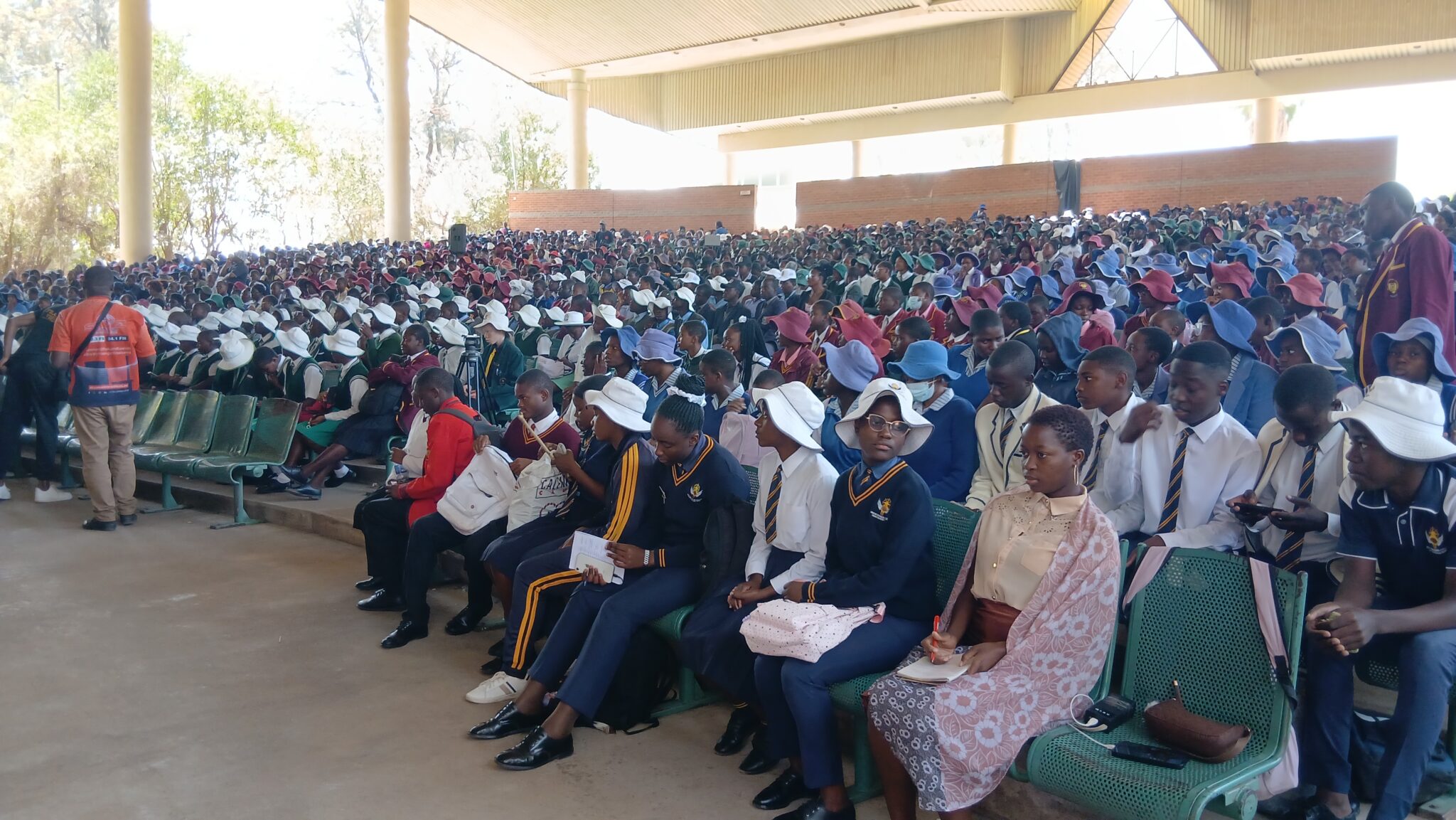
On April 5th, thousands gathered at Chief Dakamela’s homestead in Nkayi, eagerly participating in the vibrant annual cultural celebration, Imiklomelo ka Dakamela.
This event, once primarily a showcase of Ndebele heritage, has blossomed into a dynamic fusion of culture and contemporary fashion, drawing immense enthusiasm from young people who now form the majority of attendees.
Historically, Ndebele culture was deeply rooted in the warrior tradition, vividly illustrated by attire such as amabhetshu and iconic accessories like izagila (knobkerries) and imikhonto (spears). Singing and dancing have always been central, marking key life events, including marriages, battles, festivals, and even funerals. However, with colonisation came a shift towards Western dress and customs, gradually overshadowing these rich traditions.
Post-independence, Zimbabwe experienced an influx of global fashion brands and Western clothing styles, further distancing younger generations from their cultural roots. However, events like Imikhlomela ka Dakamela and King Mzilikazi Day are reversing this trend. Young attendees enthusiastically reclaim and modernise traditional Ndebele attire, blending cultural authenticity with contemporary fashion flair—earning the affectionate nickname “Gucci of Amabhetshu.”
On this topic
But don’t mistake this cultural fashion revival for something casual or inexpensive. Looking like a true Ndebele warrior requires significant investment. Authentic traditional garments, meticulously crafted and often adorned with intricate beadwork and designs, come with a notable price tag. Here’s what it takes financially and culturally to embody the elegance and strength of a Ndebele warrior today.






Leave a Reply