
By Ndumiso Tshuma
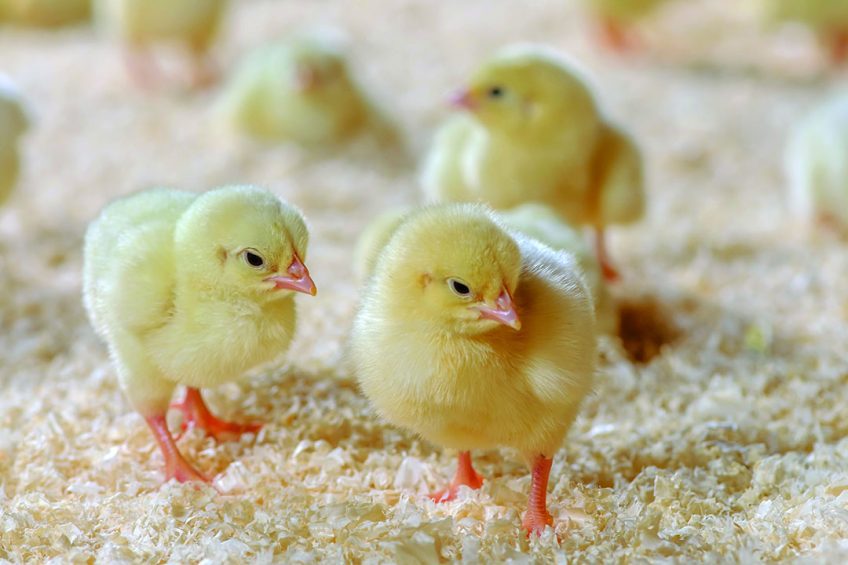
Chicken farmers have been urged to avoid making mistakes when handling newly arrived chickens.
Dr Enoch Machanguata, a poultry specialist at Econutrivet, shared valuable insights on best practices to optimise chick survival rates and overall health.
He noted that many farmers lose vital chicks due to avoidable oversights.
On this topic
“With just a little preparation and care, farmers can prevent major losses when new chicks arrive. It is crucial to ensure that the chicks are placed in a clean, conducive environment with adequate water and a favourable room temperature,” said Dr Machanguata.
One of the most critical steps, he stressed, is preheating the brooder at least 2-3 hours before the chicks arrive.
“Creating a warm environment from the moment the chicks arrive is essential. A properly heated brooder helps them acclimate without the added shock of temperature changes,” he explained.
In addition to temperature regulation, proper hydration plays a crucial role.
“Providing water with glucose and vitamins during the first two hours is vital. This activates their digestive system and prepares them for feeding,” said Dr Machanguata.
He also cautioned against the common mistake of offering feed too quickly. Additionally, he pointed out that the type of feeder used in the brooder can significantly impact chick growth.
“Small chicks struggle with large feeders. Instead, flat trays should be used to make feeding accessible. As they grow, you can gradually transition to larger feeders,” he advised.
Machanguata further highlighted the importance of proper litter management.
“Some farmers use tarpaulin in the brooder, but it retains moisture, leading to wet droppings and increasing the risk of diseases like coccidiosis. It’s far better to use paper, which keeps the space clean and dry,” he said.
Feed size is another crucial factor in chick development.
“Chicks need finely crumbled feed. Large pieces can cause digestive issues. Additionally, covering the brooder floor with paper for the first three days prevents chicks from mistaking litter for food, which can lead to illness,” he noted.
Excessive heat can also pose a problem.
“Too much heat can cause dehydration and constipation in chicks. It’s vital to maintain an appropriate temperature balance,” Dr Machanguata cautioned.
To ensure strong immune development, Machanguata recommended a simple health protocol.
“Administer Endocox on their first day to support immunity, followed by a Hepator booster after two weeks. These small measures can make a big difference in raising healthy, productive chickens,” he concluded.







Leave a Reply