

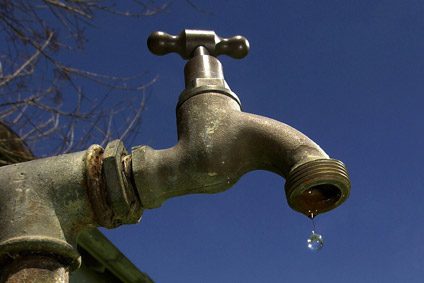
Residents of Bulawayo have expressed frustration over worsening water shortages caused by power cuts at key pumping and treatment stations.
The Bulawayo City Council (BCC) recently announced that power disruptions on December 13, 2024, at the city’s pumping stations and Criterion Water Works have halted water treatment, leaving reservoirs critically low.
With the water treatment process halted, levels in the city’s reservoirs have dwindled, leaving many households without water for over two weeks.
A local resident identified as Tichareva expressed his displeasure with the situation.
On this topic
“The water shortage due to lack of ZESA at pump stations has adversely affected not only the residents’ daily lives but the entire commercial and social activities of the city,” he said.
“Why can’t BCC and ZESA, if that has not been done yet, agree on setting up electric supply lines specifically dedicated to supplying uninterrupted power to the essential water pumping stations?” Another residents remained skeptical to this proposed long-term solutions.
“A good idea, but this won’t work because faults and vandalism do occur even on those special lines. Both ZESA and BCC are guilty of poor equipment management and control,” he said. Dubley further criticised plans to deploy over 600 security guards to protect the Nyamandlovu aquifer pumps, which have been plagued by theft and vandalism.
“Is this normal management of resources? Only 25 out of 77 pumps are still working, yet they want to secure them with 600 guards. Does this make any logical sense?” he questioned.
The local authority has said only five security personnel are deployed on site at the 25 Nyamandlovu operational boreholes. Helmand Shoko, another resident, raised concerns about the implications of these measures.
“That will only exacerbate water tariff increases, and their relatives will get employment. What a workforce,” he remarked cynically.
Tichareva agreed, pointing out that the situation goes beyond water supply issues. “The problems are multipronged with corruption and mismanagement topping the list. Worst still, these issues are a manifestation of national problems,” he said.
“Therefore if these problems were to be corrected by strictly following effective and efficient management principles and eradicating corruption the efficiency and good governance would cascade down to lower tier governance. Tichareva also added that “the bloated number of security guards meant to guard the Nyamandlovu Project may be part of corrupt activities making the intended results very hard to achieve.”
“As a nation we are in serious trouble if we don’t effectively tackle the twin scourge of inept management and the deeply rooted corruption.” The debate over the city’s water crisis has also led to broader criticisms of the Nyamandlovu aquifer project, with some residents questioning the feasibility of relying on it, especially if rainfall levels are lower than expected.
“What if it doesn’t rain as expected? What then? Let us not just criticise (Asitshiyeni ukusola nje), ” one resident cautioned.
Dubley highlighted the mismatch between security guard numbers and the number of boreholes, suggesting that the expense would fall unfairly on residents.
“Divide the number of guards required by the number of existing boreholes. A 24 hour shift needs a maximum of three guards per borehole if they are postioned very far apart. Simple maths calculation gives you more than 22 guards per borehole.Does this make any logical thinking or planning when it’s residents who will foot the payment bill,” he said.
Dubley added the truth or logic may anger some who benefited from flawed systems.
“Remind us its selective intended goals because the complaints we make here are due to poor services provided. Nothing I have stated here is not involved in the poor service delivery unless you ignore the root causes for these failures,” he said.
“The truth annoys some people but my love for my country goes beyond unfounded critism on what I openly spell out…Make no mistake, we cannot be silenced if our services are very poor.” The frustration extends beyond the water crisis to other local services, as one resident pointed out the inconsistency in municipal charges despite the lack of services.
“They won’t stop to clamp your cars, charge us for services they don’t offer… now we are going to go over a year without tap water in Harrisvale,” said the resident.
Dubley added that the failure to protect consumers from poor service was systemic, citing his own experience with faulty products.
“They know consumers are not protected by the Consumer Council of Zimbabwe due to various reasons, including corruption.”
The ongoing water crisis and broader mismanagement issues have left many feeling exploited.
“We as citizens have been prone to prejudice since 1980,” said Shoko, reflecting on the widespread exploitation across various sectors. “We ceded our rights and wellbeing, all in the name of patriotism. Our suffering is now a norm. Local governments, central government, private sector and public service have all mercilessly exploited us. The trend continues.”
The residents are now calling for urgent action, demanding accountability from both local government and state-run entities.
“The exploitation now goes even to our churches,” said Dubley, connecting the issue to a wider culture of greed and mismanagement.
“Can we then blame politicians and leave our religious leaders in this exploitation?”




Leave a Reply