

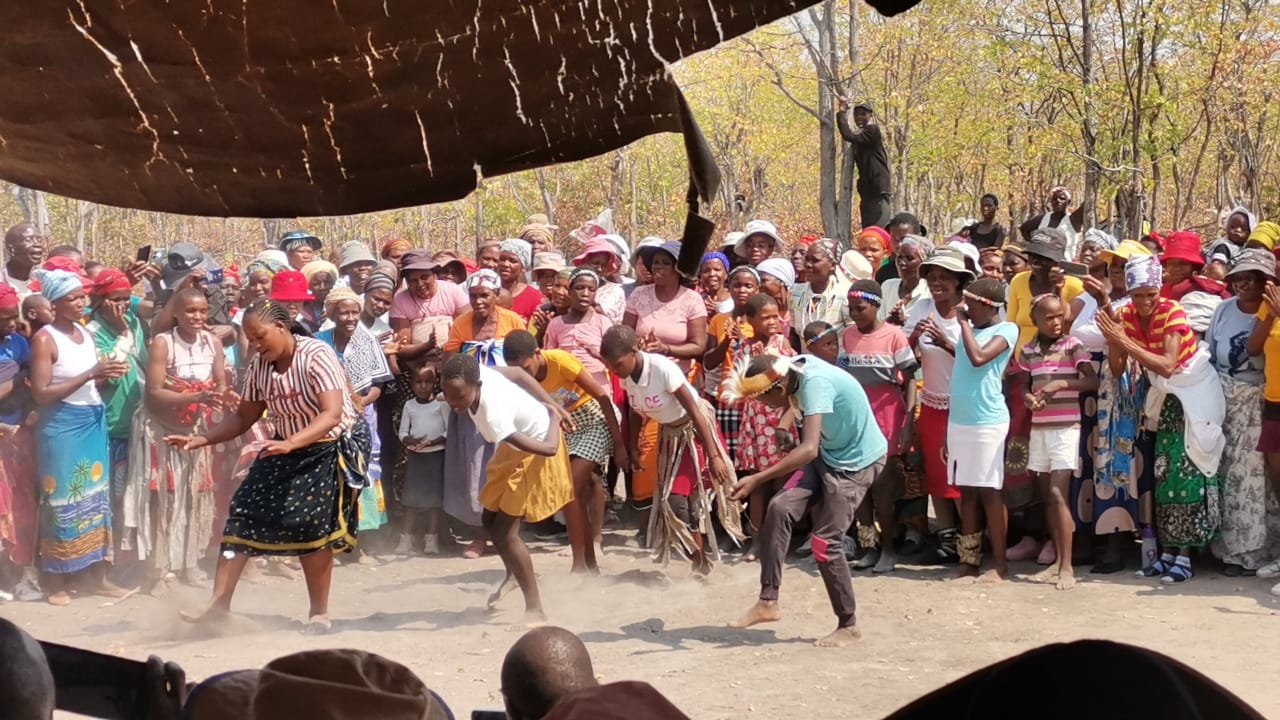
In an effort to help San communities adapt to the effects of climate change, the Tsoro-o-tso San Development Trust (TSDT) has launched a new initiative to train the community in Tsholotsho on climate change awareness and resilience.
The project aims to educate 3 000 San community members on how to protect their environment, counter disinformation and strengthen local adaptation practices.
Once nomadic hunters and gatherers, the San now face new challenges brought about by climate change from persistent droughts and dry rivers to limited access to credible information on how to cope.
In an interview with CITE, TSDT Director, Davy Ndlovu said climate change created challenges for the San community.
“It was difficult for the San to adapt to a lifestyle without hunting and gathering. They had no livestock, they had small pieces of land where they could grow maize but they had no cattle to work the land. Climate change created more problems for the San,” Ndlovu said.
“Rivers and water wells started drying up, the rains stopped and there was persistent drought and the San couldn’t cope. We then came up with the idea to start teaching them about climate change.”
Ndlovu said the project titled ‘Climate X Indigenous Voices’ is centred on enhancing the technical capacities of indigenous peoples’ forest and climate activists, bolstering the role of regional media and fact-checkers in countering disinformation while fortifying the digital resilience of Indigenous climate defenders.
“Tsoro-o-tso has crafted a Climate Change Training Manual with which we intend to use it for training community champions among the San Community through simplified master classes and interactive physical sessions,” he said.
He said the manual is expected to assist San community members to gain greater fluency and understanding of climate change, buffering the communities from the impact of disinformation.
“Lead discussions are on resilience building, protecting soils and water, securing harvests, safeguarding health and strengthening community resilience.”
Ndlovu said TSDT has since trained 30 climate change champions and will be rolling out the training programme next week where they are targeting 3 000 San Community members.
“The project is located in Tsholotsho in Matabeleland North where access to information is a challenge because of language barrier and poor transmission signals that have seen the San Community subjected to limited access to communication channels such as television, radios,” he said.
“The area also has a poor telephone network reception with the San Community severely impeded as they are largely residing in rural Tsholotsho making it difficult for the community to access important climate change information.”
Apart from these infrastructural impediments, Ndlovu said the San community also has a low literacy rate with the majority having only attended primary level education.
This is why the project seeks to raise awareness about climate change among the San through the dissemination of credible information about climate change.
“The project will target 3000 San community members in Tsholotsho from wards 1, 2, 7, 8 and 10. The project has a deliberate target on youth, women and men,” Ndlovu said, adding the project is in line with attaining the global goal of “reducing the impact of disinformation in exacerbating climate change.”
“TSDT is well placed to implement the project given its historical convening power and a membership base spread across the San Community.”
Leave a comment