

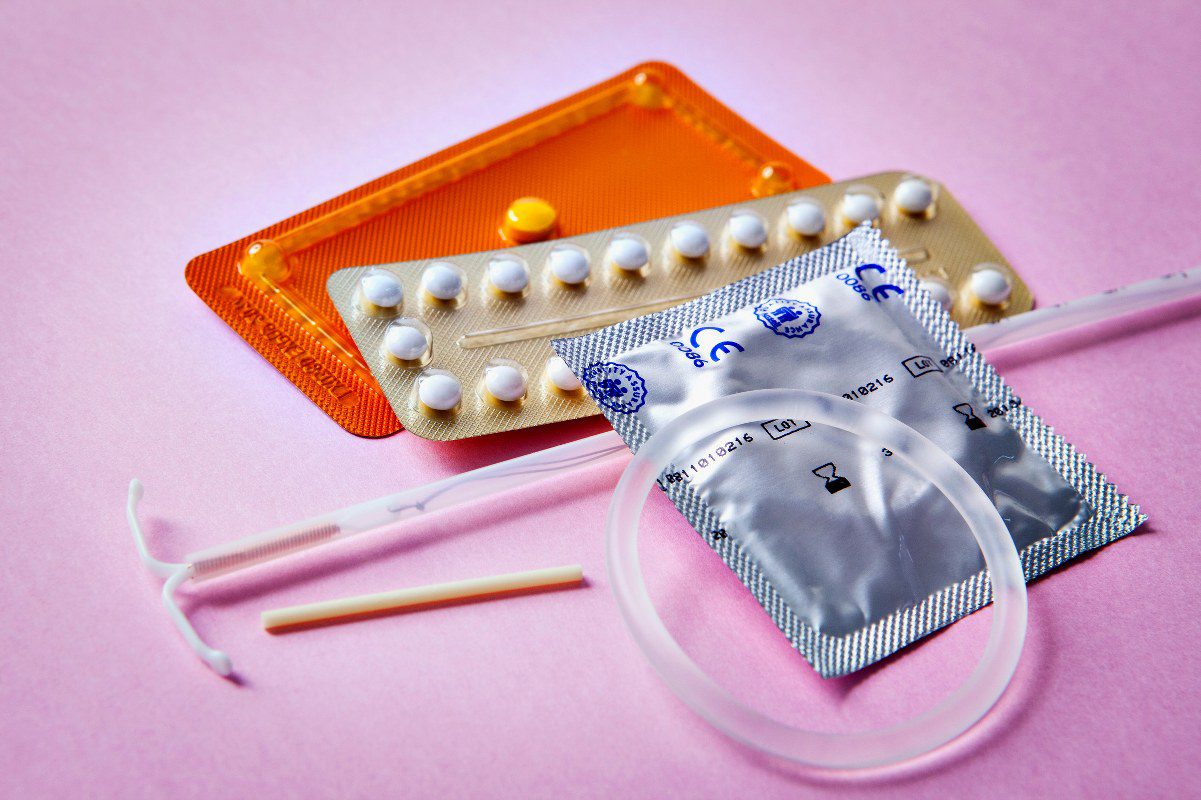
At least five percent of women who stop using contraception while still in need of it do so because of perceived negative effects on their sex lives, a new global study has revealed.
The research, titled The Sex Effect: The prevalence of sex life reasons for contraceptive discontinuation, was commissioned by the World Health Organization (WHO), the UN’s Special Programme in Human Reproduction (HRP), and The Pleasure Project. It was published on 26 September 2025 to coincide with World Contraception Day.
Contraceptive discontinuation refers to people who start using a method but then stop despite still being at risk of unintended pregnancy. Previous surveys across more than 30 countries found that 38% of women in need had discontinued a modern method, with rates as high as 50% in Africa and parts of Latin America.
The latest study analysed data from 64 studies carried out between 2004 and 2023, involving over 125,000 participants. Researchers found that around 5% of those who discontinued cited sexual reasons such as reduced libido, discomfort during sex, or concerns about their partner’s sexual experience.
“The findings highlight that sexual concerns are common reasons for contraceptive discontinuation. These reasons are as common as cost or lack of access, yet they are much less studied,” the researchers noted. “Our review revealed significant gaps in how sexual concerns are measured and reported.”
The study emphasised that many earlier investigations did not directly ask users about sexual side effects, with few exploring satisfaction, desire, or the broader impact on sex lives.
The researchers recommended that future studies incorporate questions about sexual acceptability, while clinicians should discuss potential sexual side effects with patients.
“This would help to empower patients and enable them to make more informed choices,” they said.
“Ultimately, this work underscores that sexual well-being is not a secondary concern. It is central to successful contraceptive use. Including sexual concerns as part of contraceptive care can significantly improve user satisfaction, reduce discontinuation rates, and enhance overall reproductive health outcomes.”
Support CITE’s fearless, independent journalism. Your donation helps us amplify community voices, fight misinformation, and hold power to account. Help keep the truth alive. Donate today